
The 8(a) Small Business Contracting Program Faces Major Challenges: What It Means for You
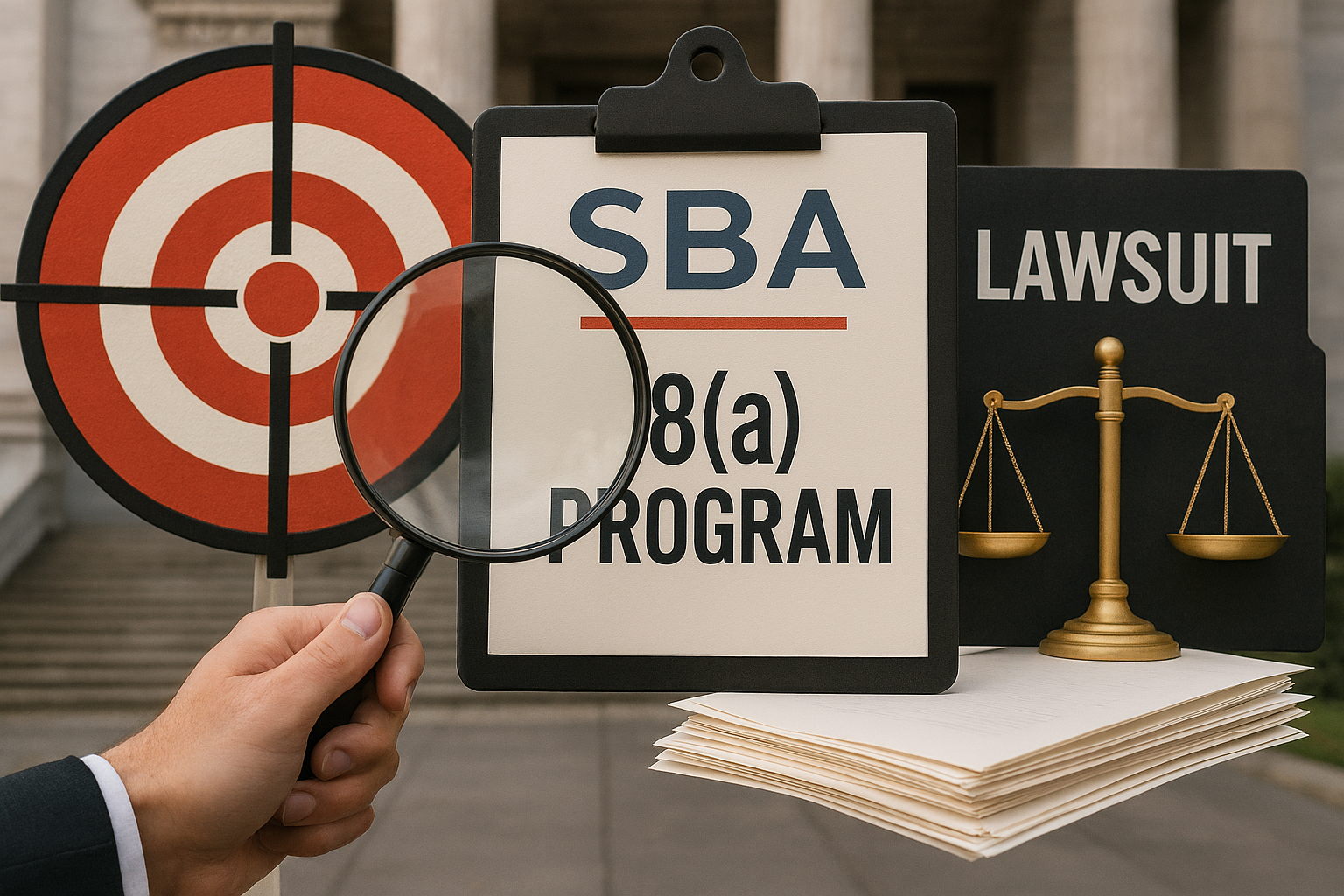
The 8(a) small business contracting program has been a cornerstone for Minority-Owned and disadvantaged smaller businesses for decades. Established to promote business opportunities for these groups, it now finds itself under scrutiny from various angles. In a landscape where competition is fierce, and opportunities can seem limited, the recent challenges to the 8(a) program raise important questions about its future and the implications for small and mid-sized businesses (SMBs) hoping to serve the U.S. government.
What’s Happening with the 8(a) Program?
Recently, the Center for Individual Rights, in collaboration with the Wisconsin Institute for Law and Liberty, filed a lawsuit aiming to repeal what they describe as unconstitutional racial preferences in the federal contracting system. In addition, the Small Business Administration (SBA) has commenced an audit involving over 4,300 8(a) firms, requesting extensive documentation regarding their operations and contracts.
Senator Joni Ernst (R-Iowa), a prominent voice in the debate, has called for a suspension of new 8(a) sole-source contract awards until the audit is completed. This move stems from growing concerns about alleged fraud in the program, particularly in light of two high-profile cases involving bribery that drew national attention.
“There is mounting evidence that the 8(a) Program designed for ‘socially and economically disadvantaged’ businesses went from being a targeted program to a pass-through vehicle for rampant abuse and fraud – especially during the Biden Administration, which aggressively prioritized DEI over merit in federal contracting,”
– SBA Administrator Kelly Loeffler
Key Developments:
1. Class Action Lawsuit: The aforementioned organizations challenge racial preference regulations and seek to overhaul how the SBA administers the program, which they argue leads to discrimination against non-minority candidates.
2. SBA Audits: As part of its initiative to review the program, the SBA is asking firms to provide detailed financial and operational information. This includes everything from payroll records to bank statements for a three-year period, raising concerns among businesses about compliance risks.
3. Suspension of Contracts: Agencies are being urged to halt new contract awards, which could significantly impact the ongoing operations of firms within the program.
The Importance of the 8(a) Program
Before delving into how these changes might affect your business, let’s look at what the 8(a) program has historically offered:
– Set-Aside Contracts: The program allows for federal contracts to be reserved for eligible firms, providing a vital pathway to government opportunities.
– Sole-Source Contracts: Qualified businesses can receive contracts without competition, a significant advantage in a highly competitive market.
– Mentorship Opportunities: The program includes provisions for larger, experienced firms to mentor smaller companies, helping them develop their capacity and expertise in government contracting.
Yet, as these legal challenges unfold and audits increase, many firms may face uncertainty regarding their eligibility for this vital program. BUT this isn’t the only program out there and expert guidance is one meeting away.
What Does This Mean for Your Business?
For SMBs especially, those owned by veterans, women, or minorities, this shift could influence your ability to compete for government contracts. Here’s why you should pay attention:
1. Understanding Compliance: If you’re already a participant or thinking about joining the 8(a) program, being aware of compliance requirements is critical. The SBA’s recent information request underscores the importance of maintaining excellent documentation.
2. Staying Informed on Opportunities: With potential changes to contract awards, knowing where you stand can help you pivot as necessary. If you’re not registered in systems like SAM (System for Award Management) or GSA, now is the time to do so to ensure you’re positioned to apply for future opportunities. Learn how to register on SAM.
3. Exploring Alternative Programs: If changes to the 8(a) program might limit your opportunities, consider other SBA programs designed to help business owners, such as the HUBZone, VOSB (Veteran-Owned Small Business), and SDVOSB (Service-Disabled Veteran-Owned Small Business) programs.
What You Can Do Now
Given the current atmosphere surrounding the 8(a) program, here are actionable steps you can take:
– Review Your Documents: Ensure all your business’s documentation is clear, precise, and supports your eligibility for government contracts. Uncertainties in documentation could lead to complications in the auditing process.
– Stay Up-to-Date: Sign up for newsletters and alerts that inform you of changes within the 8(a) program and other government contracting opportunities.
– Evaluate Your Business Model: Given the scrutiny the program faces, it might be time to explore additional revenue streams or market segments beyond what the 8(a) program offers.
– Seek Expert Guidance: Understanding the nuances of government contracting can be complicated. Consider scheduling a consultation with experts who can help clarify your path, whether for your first contract or navigating the complexities of compliance.
Schedule A Consultation With Us
Conclusion
The challenges facing the 8(a) small business contracting program signal a critical juncture for many SMBs looking to work with the government. While the future of the program may be uncertain, understanding the implications and preparing accordingly will enable small businesses to continue pursuing their goals in the government contracting arena. Make sure to utilize available resources and expertise to navigate this complex landscape.