
The Countdown of the World’s Largest Economies: Insights for Government Contractors
Understanding the global economic landscape can empower small and medium-sized businesses, particularly those in the government contracting space. In this countdown, we highlight the world’s top economies based on nominal Gross Domestic Product (GDP) as of 2025, median household incomes, PPP, food security, and explore how this information is relevant for businesses looking to thrive in government contracting.
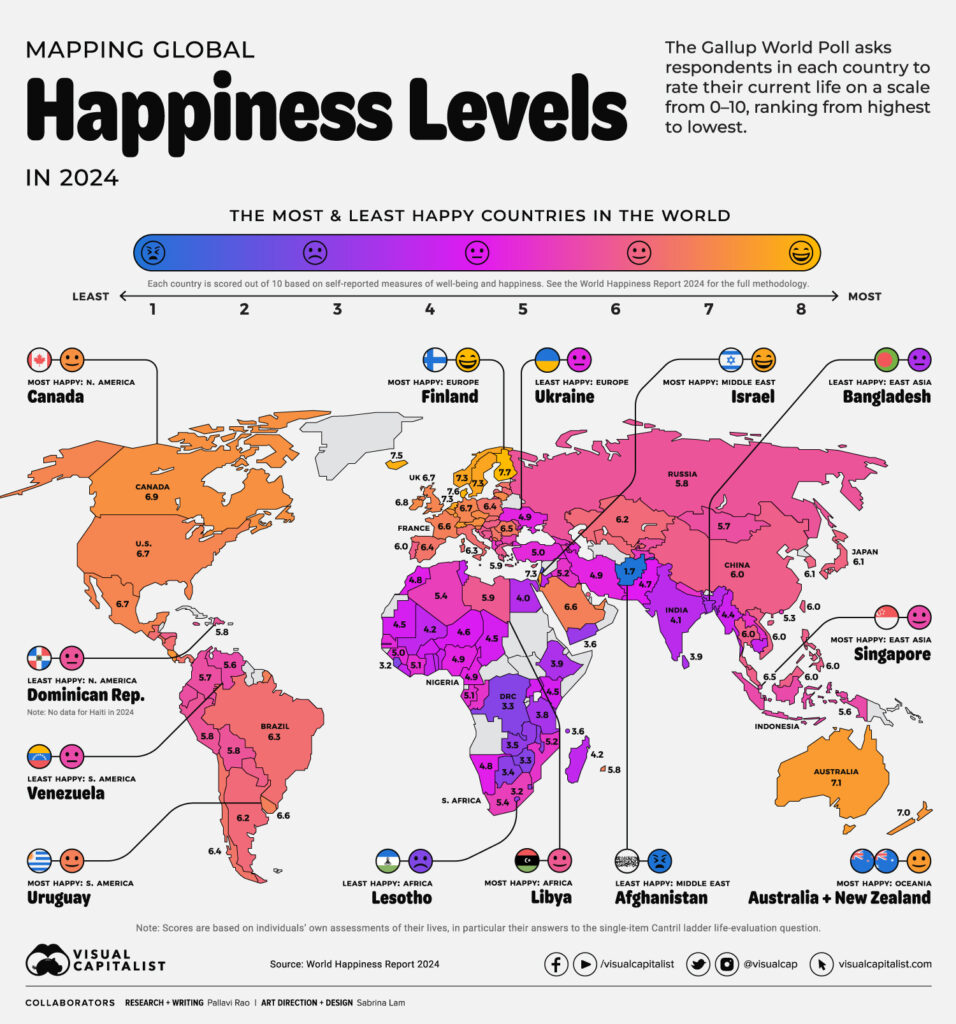
A country’s PPP (Purchasing Power Parity) is an exchange rate that equalizes the purchasing power of different currencies by comparing the cost of a standard basket of goods and services, showing how much a currency can actually buy in its own country versus another, allowing for better comparisons of GDP, living standards, and economic output by adjusting for price differences. It helps economists understand the true volume of economic activity, rather than just the monetary value at market exchange rates.

10. Brazil
Nominal GDP: $1.89 trillion
PPP Adjusted GDP: $2.83 trillion
Annual Growth: 2.9%
GDP Per Capita: $38,040
Brazil stands tall in South America with a diverse economy ranging from agriculture to energy. For contractors, success in Brazil may hinge on partnerships that leverage local resources and expertise. Government contracts here often emphasize sustainability and innovation fields ripe for small to medium enterprises.
- % with undergraduate degrees: 22%
- Population: ~216,000,000
- % in extreme poverty: ~1.9%
- Food security rank: 25+
- Median household income: ~$13,800
9. Canada
Nominal GDP: $2.28 trillion
PPP Adjusted GDP: $2.72 trillion
Annual Growth: 1.2%
GDP Per Capita: $54,930
Canada’s economy is closely tied to the U.S., with a significant portion of trade flowing south. For businesses looking to contract, understanding Canadian markets can provide opportunities, especially in resource extraction and technology services. Government initiatives are currently focused on green technology, a potentially fruitful niche for contractors yet it is reliant on international cooperation from others like China.
- % with undergraduate degrees: 57 – 62%
- Population: ~39,400,000
- % in extreme poverty: 0.2%
- Food security rank: #8
- Median household income: ~$65,000
8. Russia
Nominal GDP: $2.54 trillion
PPP Adjusted GDP: $7.14 trillion
Annual Growth: 0.6%
GDP Per Capita: $17,450
Despite economic sanctions, Russia remains a key player in energy exports. However, navigating the political landscape is critical for contractors. Engaging in sectors that support economic stability and infrastructure can be a strategy to secure contracts despite the current extreme volatility.
- % with undergraduate degrees: 41 – 58%
- Population: 144,500,000
- % in extreme poverty: ~0.2%
- Food security rank: #43
- Median household income: ~$20,000
7. Italy
Nominal GDP: $2.54 trillion
PPP Adjusted GDP: $3.72 trillion
Annual Growth: 0.5%
GDP Per Capita: $43,160
Italy’s economy, marked by its manufacturing heritage, offers opportunities for contractors involved in high-quality production and design. Public contracts often prioritize innovation in traditional sectors with an eye for craftsmanship you can attract government contracts.
- % with undergraduate degrees: 36%
- Population: ~58,700,000
- % in extreme poverty: 0.8%
- Food security rank: #27
- Median household income: ~$27,949
6. France
Nominal GDP: $3.36 trillion
PPP Adjusted GDP: $4.53 trillion
Annual Growth: 0.7%
GDP Per Capita: $48,980
France boasts a complex economy with strong government influences. Contractors might find advantageous opportunities in public infrastructure and defense sectors. Focusing on transparent practices and compliance can enhance chances of securing contracts.
- % with undergraduate degrees: 41%
- Population: ~64,800,000
- % in extreme poverty: 0.1%
- Food security rank: #4
- Median household income: ~$30,622
5. United Kingdom
Nominal GDP: $3.96 trillion
PPP Adjusted GDP: $4.45 trillion
Annual Growth: 1.3%
GDP Per Capita: $56,660
Post-Brexit, the UK’s economic landscape is changing. There are fresh opportunities for contractors in technology and healthcare sectors, given the UK government’s emphasis on innovation and quality. To thrive, businesses should adapt to new regulations and engage with local enterprises.
- % with undergraduate degrees: 49 – 55%
- Population: ~67,500,000
- % in extreme poverty: 0.2%
- Food security rank: #9
- Median household income: ~$26,884
4. India
Nominal GDP: $4.13 trillion
PPP Adjusted GDP: $17.71 trillion
Annual Growth: 6.6%
GDP Per Capita: $2,820
India’s growing economy is a major player in the global market. With significant government investment in infrastructure and digital services, each contractor could find a niche, especially those providing tech solutions and logistics. Understanding local regulations will be crucial for entry into government projects.
- % with undergraduate degrees: 13 – 20%
- Population: 1,460,000,000
- % in extreme poverty: 0.2%
- Food security rank: ~70+
- Median household income: ~$4,500
3. Japan
Nominal GDP: $4.28 trillion
PPP Adjusted GDP: $6.76 trillion
Annual Growth: 1.1%
GDP Per Capita: $34,710
Japan excels in technology and manufacturing. Contractors focusing on high-tech innovations or elder care services which are in demand due to an aging population may find opportunities supported by governmental programs aimed at modernization.
- % with undergraduate degrees: 53 – 60%
- Population: ~123,000,000
- % in extreme poverty: 0.7%
- Food security rank: #6
- Median household income: ~$42,765
2. China
Nominal GDP: $19.40 trillion
PPP Adjusted GDP: $41.02 trillion
Annual Growth: 4.8%
GDP Per Capita: $37,830
China continues to be a powerhouse with its massive export economy. For contractors, understanding the Chinese market’s intricate systems is key. Participating in joint ventures could open doors to lucrative contracts, particularly in technology and manufacturing sectors but regulations may cripple the venture before it starts along with the current political climate.
- % with undergraduate degrees: 21%
- Population: 1,410,000,000
- % in extreme poverty: 1%
- Food security rank: #26
- Median household income: ~$15,000
1. United States
Nominal GDP: $31 trillion
PPP Adjusted GDP: $31 trillion
Annual Growth: 2.0%
GDP Per Capita: $89,600
The U.S. remains the leading global economy. Created opportunities in government contracting center around the service sector, including IT, healthcare, and sustainable practices. Small and medium-sized businesses contracted with the U.S. government can innovate and adapt solutions to meet diverse needs while navigating the complex federal procurement guidelines.
- % with undergraduate degrees: 50 – 56%
- Population: ~345,000,000
- % in extreme poverty: 0.2%
- Food security rank: #13
- Median household income: $83,730
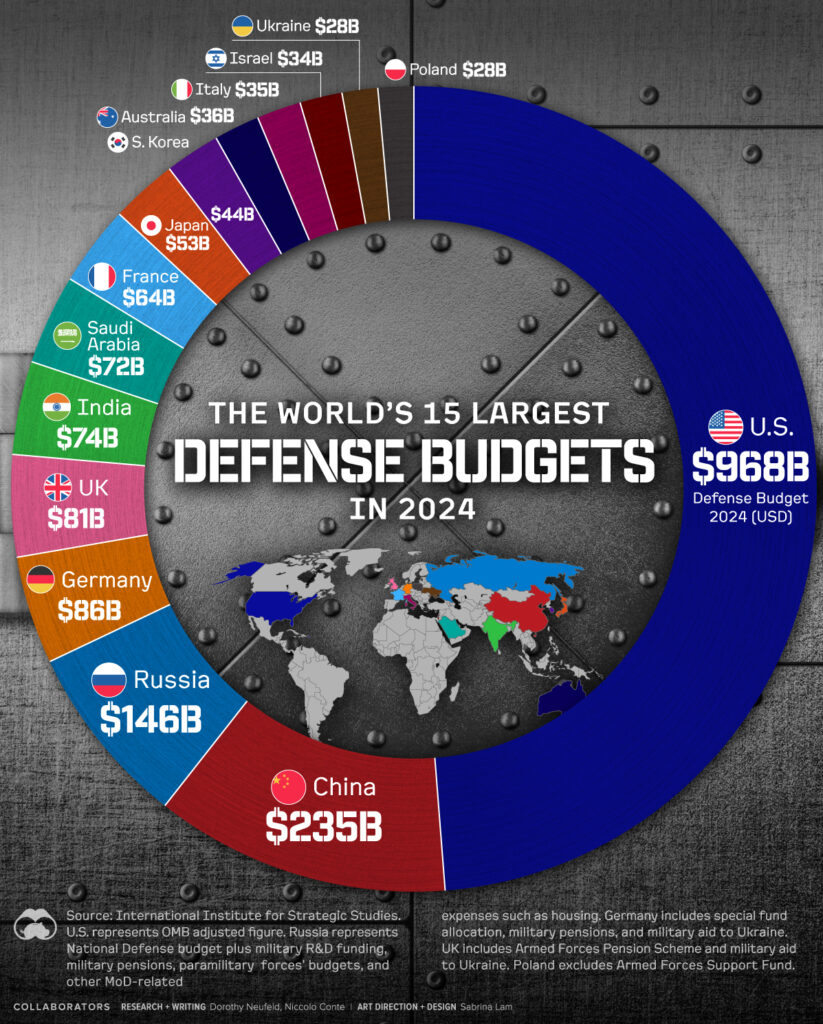
The United States government is considered the largest single buyer of goods and services in the world because of its immense scale, comprehensive needs, and substantial budget, which combine to create an unparalleled level of purchasing power.
Key reasons for the U.S. status includes:
- Vast Bureaucracy and Workforce: The federal government operates a massive bureaucracy with over 4.2 million federal employees across numerous agencies and departments (e.g., Department of Defense, EPA, GSA). All these entities require an enormous quantity of supplies to function, from basic office equipment to complex software and building maintenance services.
- Diverse and Complex Needs: The scope of government operations is incredibly broad, necessitating procurement across almost every industry imaginable.
- Defense Spending: The Department of Defense (DoD) is a primary driver, purchasing everything from advanced fighter jets and naval vessels to MREs (meals ready-to-eat) and military equipment.
- Infrastructure: Significant spending goes toward maintaining national infrastructure, including roads, bridges, and dams.
- Healthcare and Research: Agencies like the CDC and NIH purchase vast amounts of medical supplies, pharmaceuticals, and fund research and development.
- Technology: The government is a major consumer of IT services, cybersecurity software, and cloud computing solutions.
- Massive Budget: The sheer size of the U.S. federal budget provides an immense amount of capital for procurement. In recent fiscal years, the federal government has obligated around $750 billion to nearly $1 trillion annually on contracts for goods and services.
- Economic Influence: The government’s buying decisions significantly influence American business and even global markets. Its purchasing power can shape policy, drive innovation (e.g., funding breakthroughs that eventually become commercial products like GPS or the internet), and provide stability to companies through long-term contracts.
- Centralized Purchasing Power: While the government is not a single entity, the Federal Acquisition Regulation (FAR) ensures a uniform policy structure that channels this massive demand, making it a single, identifiable market for vendors to engage with.
In essence, no single private company or other national government matches the scale, scope, and total spending power of the U.S. federal government when it comes to purchasing the diverse goods and services needed to run an entire country.
Conclusion
You now have a snapshot of the world’s largest economies and how they might present opportunities in government contracting. Governments worldwide are eager for innovation, and businesses that align their capabilities with the priorities of these economies could thrive. If your business is looking for insights on how to effectively enter the government contracting space or to find partners in various countries, connecting with Select GCR can provide the strategic guidance you need.
Sources
– Investopedia: https://www.investopedia.com/insights/worlds-top-economies/
– International Monetary Fund: https://www.imf.org