
The Fallout From Tyson Foods’ Plant Closure: A Close Look at Big Beef’s Impact and Opportunities for Small Businesses
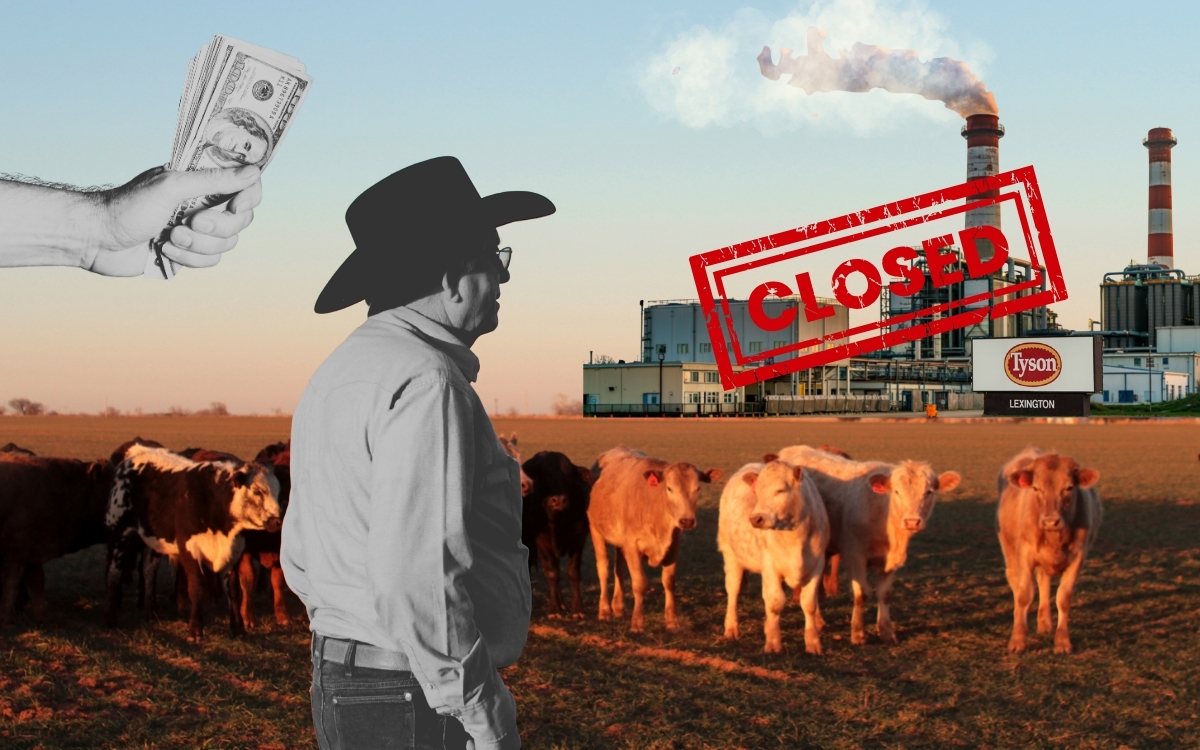
On November 21st, a shocking announcement echoed through the lunchroom of the Tyson Foods beef processing plant in Lexington, Nebraska. All workers were laid off without warning. For many, including 64-year-old Constancio Perales, the news sent shockwaves, leaving them with uncertainty about paying rent, electricity, and feeding their families. Constancio, who had loyally worked at the plant for 25 years, expressed his heartache, saying, “It’s very sad that they would fire us like that, just telling us there’s no more work, as if to say go away.”
Tyson Foods, along with fellow government subsidized meat processing giants JBS, Cargill, and National Beef dubbed “the Big Four” holds overwhelming control over the beef industry, processing 85% of beef in the U.S. Despite announcing a 6.5% profit increase over the previous year. The closure of such a significant facility raised eyebrows and left a community devastated. Why would Tyson take such drastic measures when consumer demand and prices for beef are at record highs?
Unpacking Industry Dynamics
Dan Osborn, an independent Senate candidate in Nebraska and former leader of a workers’ strike, pointed out the seeming contradictions in Tyson’s decision. He challenged the company’s assertions that they were merely optimizing their operations for long-term success, suspecting that the closures were part of a wider scheme to manipulate market prices.
This concern is echoed in a 2019 class-action lawsuit by cattle ranchers and feedlot owners, led by the Ranchers-Cattlemen Legal Action Fund (R-CALF). The lawsuit accused the Big Four of engaging in price-fixing and market manipulation, alleging that they were deliberately constricting production to drive down the price of cattle while inflating processed beef prices through artificial scarcity. This systemic issue points to how deeply entrenched the power dynamics are in the meatpacking industry.
The U.S. meatpacking industry, including giants like Tyson Foods, receives significant direct and indirect government support, totaling billions in federal subsidies and incentives, which helps lower production costs and keeps retail meat prices artificially low.
The Upsurge in Beef Prices
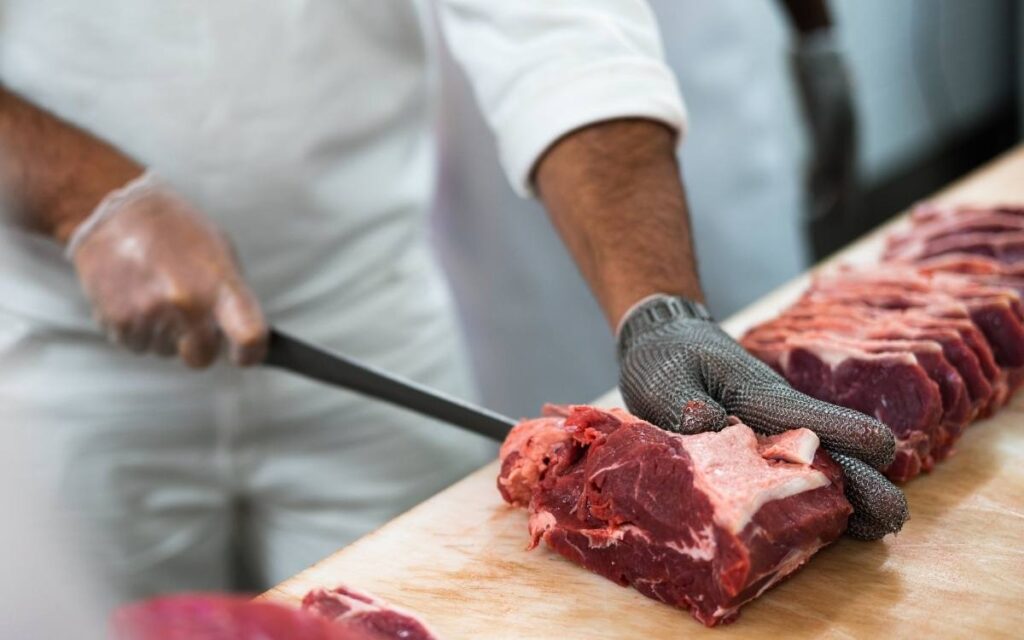
From January 2020 to December 2025, the average price of beef steaks surged from $7.65 to $12.51 per pound, marking a staggering 63% increase, while the general rate of inflation was only about 25%. Such inflated prices create the perfect storm for consumers while lining the pockets of the corporations controlling the supply chain.
Many of the Big Four’s partners like grocery chains and food distributors complained vocally, leading to lawsuits from major companies like Kroger, Aldi, and even McDonald’s, asking for investigations into the supposed monopolistic behaviors. This situation presents an opportunity for small businesses looking to enter government contracting or provide alternative food solutions. By understanding the dynamics at play, small businesses can better position themselves to serve communities in need and advocate for fair pricing.
Opportunities for Small and Minority-Owned Businesses
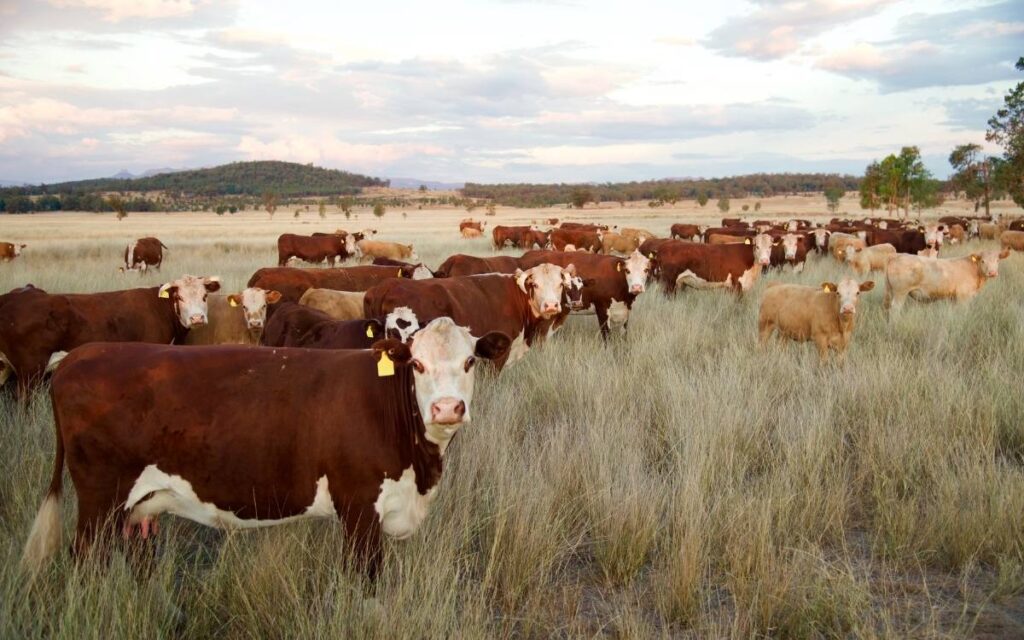
For small and mid-sized businesses, especially those that are veterans, women, or HUBZone certified, there exists a unique opportunity to disrupt the status quo in food supply chains. Small businesses have the chance to step in and fill the gaps left by major corporations like Tyson, offering local and sustainable beef or plant-based alternatives. If you’re an SMB with an interest in government contracting, you can find funding and support programs that cater to specific demographic groups.
Resources to Consider
- Government Contracting 101: Understand the basics of getting started in government contracting, which can provide a stable revenue stream.
- How to Become a VOSB or SDVOSB: Gain insight into the processes to certify as a Veteran-Owned or Service-Disabled Veteran-Owned Small Business, opening avenues for government contracts.
- HUBZone Certification Benefits: Learn about HUBZone certification and how it can help your business access government contracts while supporting your community.
- Adapting to State Market Changes: Find strategies on how to adapt your business in response to market fluctuations and consumer demand changes locally.
- Empowering Small Business Growth: Explore actionable growth strategies through micro-purchases that can help your business thrive even amidst industries controlled by monopolies.
Moving Forward
The closure of Tyson’s plant not only raises questions about corporate ethics, government subsidized industries and market behavior but also sheds light on the significant disparities encountered by small business owners. There are grassroots movements calling for increased local production and decentralization of the supply chain. By focusing on building local networks, small businesses can not only fill demands left by corporate exits but also retain control over pricing.
Government initiatives may also offer financial assistance and support for small businesses striving to enter these markets. By becoming familiar with resources available to specific groups such as veteran-owned or minority-owned businesses, entrepreneurs can carve a niche in an otherwise dominated market.
While the future presents challenges due to economic pressures and corporate powers, the committed effort of determined small business owners and advocates can reshape the landscape for the better. For those interested in joining the fight for fair pricing and community support alongside profitable government contracts, understanding the nuances of the beef industry’s dynamics is a step toward making a meaningful impact.
Conclusion
In conclusion, the fallout from Tyson’s recent plant closures presents both challenges and opportunities. It prompts a conversation about consumer rights, corporate responsibility, and the viability of smaller, more community-focused business models that cater to the growing demand for fairness in pricing.
By pursuing government contracting and leveraging programs available for small businesses, including veteran and minority-owned entities, there lies a path that could turn the current situation around into a thriving alternative model that serves both communities and consumers alike.
Sources
Federal Reserve Bank of St. Louis (average beef prices)
R-CALF (litigation details against major beef packers)
‘Big Four’ meatpackers under fire as beef prices soar (The Guardian)