Is the US Uranium Market Ready to Shine in 2026? Here’s What SMBs Need to Know
The U.S. uranium market is on the cusp of significant change, potentially setting the stage for growth and new opportunities, especially for small and medium-sized businesses (SMBs) interested in government contracts. While industry giants have historically dominated this sector, emerging trends and government initiatives could provide a favorable environment for SMBs to step in.
Think about everything which goes into creating this industry from the janitors, plumbers, electricians, physicists, mining, ore smelting, chemistry, construction, transportation, administrative, late night food trucks and much much more.
Where does your business fit in?
Understanding the Current Landscape
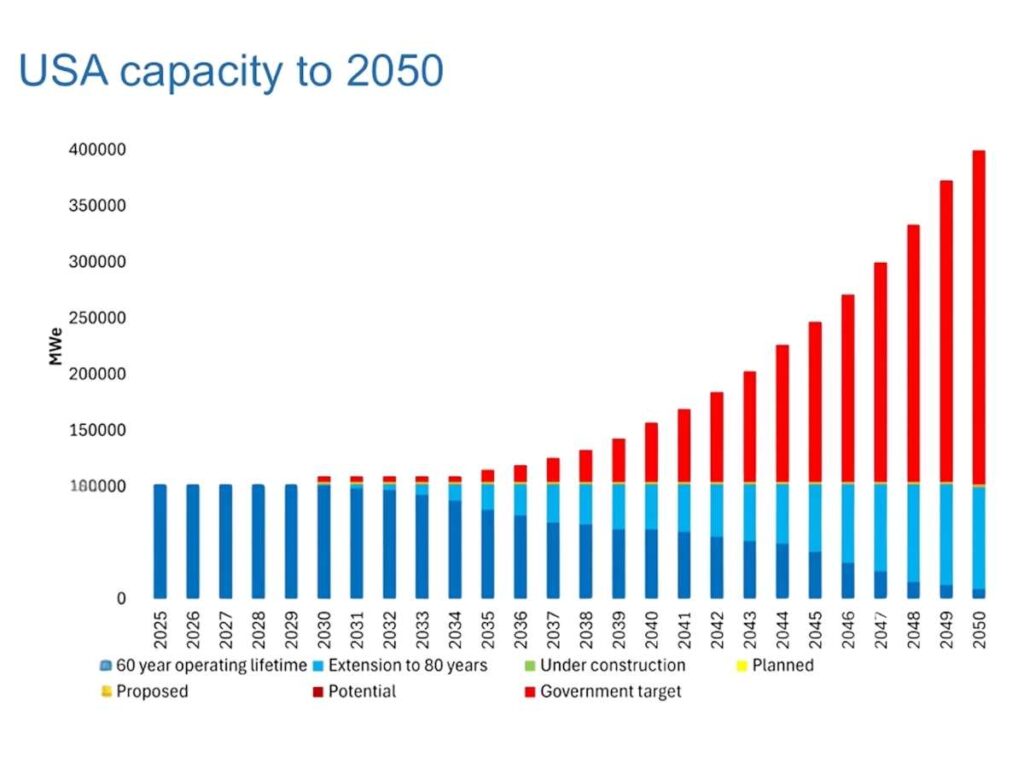
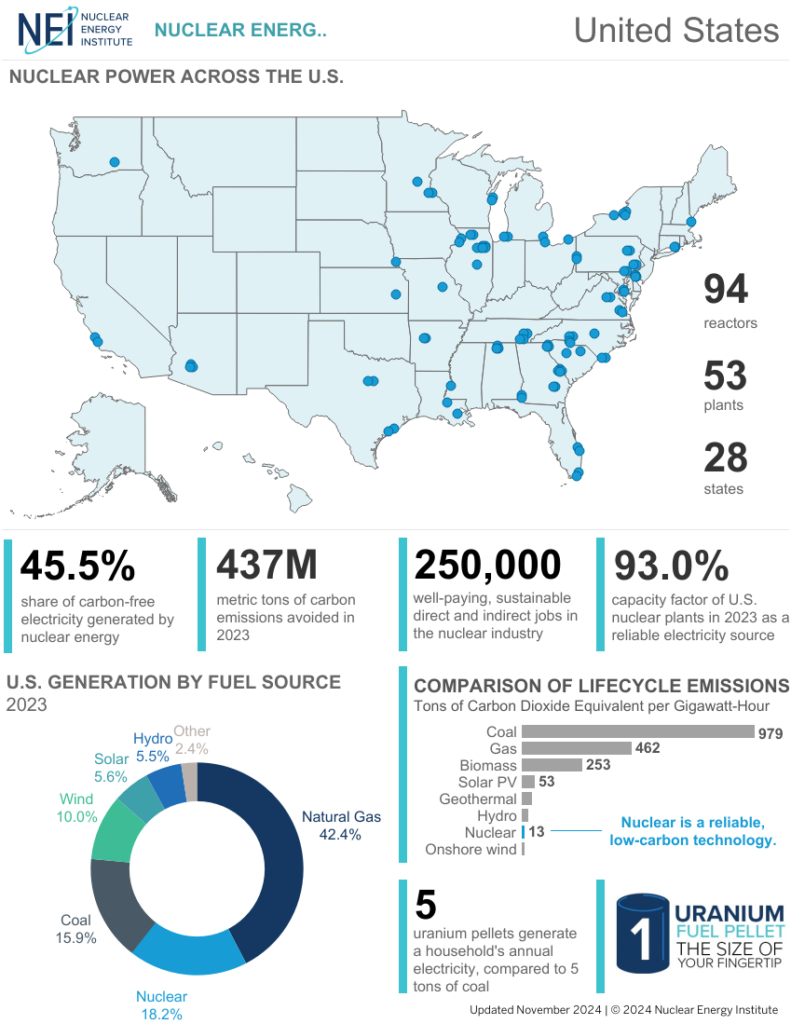
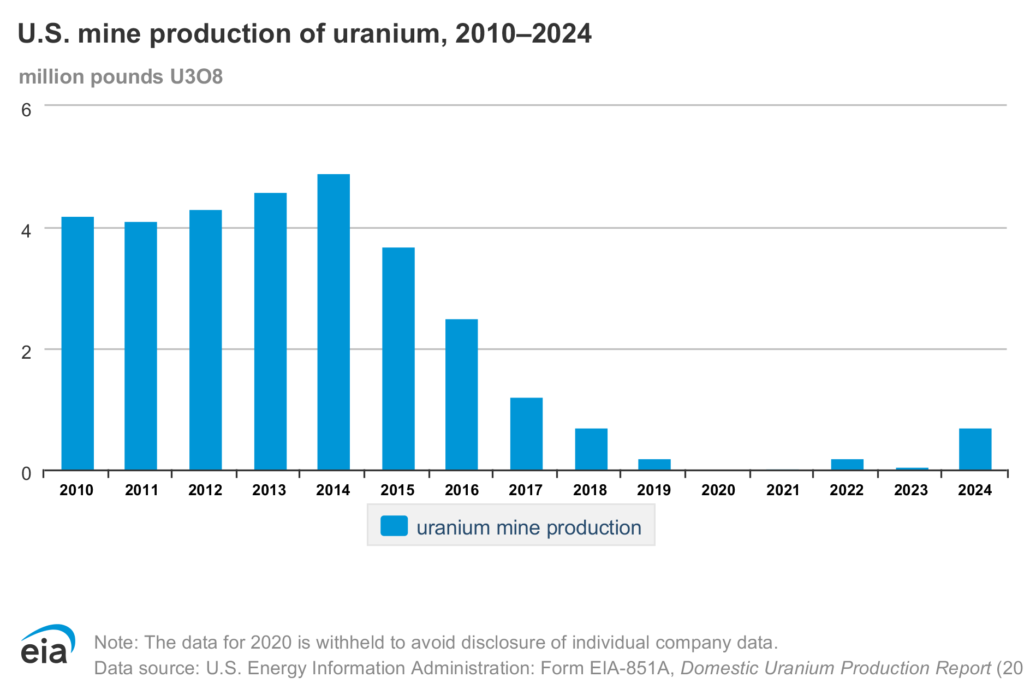
As of early 2026, the U.S. uranium market is witnessing a revival, with a push toward enhancing domestic production due to geopolitical concerns and a shift toward clean energy. According to a recent analysis from the U.S. Energy Information Administration, “the country will increase its reliance on nuclear power, resulting in elevated demand for uranium”.
The increasing focus on reducing carbon emissions has sparked a renewed interest in nuclear energy as a viable alternative. Many policymakers are advocating for more favorable regulations and support, which could significantly impact the uranium market by decreasing dependency on foreign uranium supplies. Data centers are also fielding nuclear reactor options to reduce strain on rural power grids such as:
- Google: Partnered with Kairos Power for 500 MW by 2035; exploring 300 MW SMRs for sites.
- Amazon (AWS): Working with Energy Northwest on four advanced SMRs in Washington, aiming for 320 MW initially.
- Oracle: Designing data centers to be powered by three small nuclear reactors.
- Meta: Faced a temporary block on a nuclear data center project due to environmental concerns (a rare bee species).
The U.S. enacted the Prohibiting Russian Uranium Imports Act (2024), banning Russian low-enriched uranium (LEU) imports starting August 2024, with waivers possible until 2028, aiming to boost domestic enrichment and reduce reliance on Russia. Concurrently, the Department of Energy (DOE) is investing billions to rebuild U.S. enrichment, while the NRC recently authorized Urenco to produce higher-enriched uranium (LEU+) for advanced reactors, reflecting broader efforts to secure the nuclear fuel cycle for energy security and clean energy goals.
Why Should Small Businesses Take Notice?
For SMBs contracted or looking to contract with the U.S. government, understanding the shifting dynamics of the uranium market can reveal fruitful pathways for collaboration. The current focus on enhancing national energy security could mean that government agencies may be seeking new partnerships to bolster domestic uranium production and supply. These partnerships can especially benefit companies classified as VOSB (Veteran Owned Small Businesses), SDVOSB (Service-Disabled Veteran Owned Small Businesses), or HUBZone businesses, as federal programs often prioritize support to these categories.
– Capacity Building: Engaging with agencies involved in energy policy and nuclear initiatives can help build your business’s capacity and expertise in the uranium market. Consider how your existing relationships might be leveraged to enter this evolving marketplace.
– Contracting Opportunities: New contracts could emerge as agencies aim to procure domestic uranium supplies or services related to nuclear energy production. By staying informed about trends in uranium demand, you can position your SMB to be a supplier or service provider in this market.
Key Players and Their Roles
The landscape of U.S. uranium suppliers includes a mix of established companies and newer entrants, all vying for market share as regulations evolve. Key players such as Cameco and Energy Fuels are essential to monitor. Their upcoming partnerships and projects may yield contracting opportunities. Assess how your SMB can align its services or products to support these players or meet the emerging needs they may have.
Government Programs Support
The U.S. government offers various programs to assist small businesses, especially those run by veterans, women, and minorities. These programs can help provide capital, resources, and bidding advantages that can empower SMBs to compete effectively. For instance:
– Small Business Innovation Research (SBIR): This program provides funds to small business owners to engage in research and development that supports federal government initiatives.
– HUBZone Program: It offers priority access to small businesses for obtaining government contracts when living and working within the designated area.
By tapping into these resources, your business can not only build its capabilities but also align with broader government goals in the uranium sector.
Market Forecast & Statistics
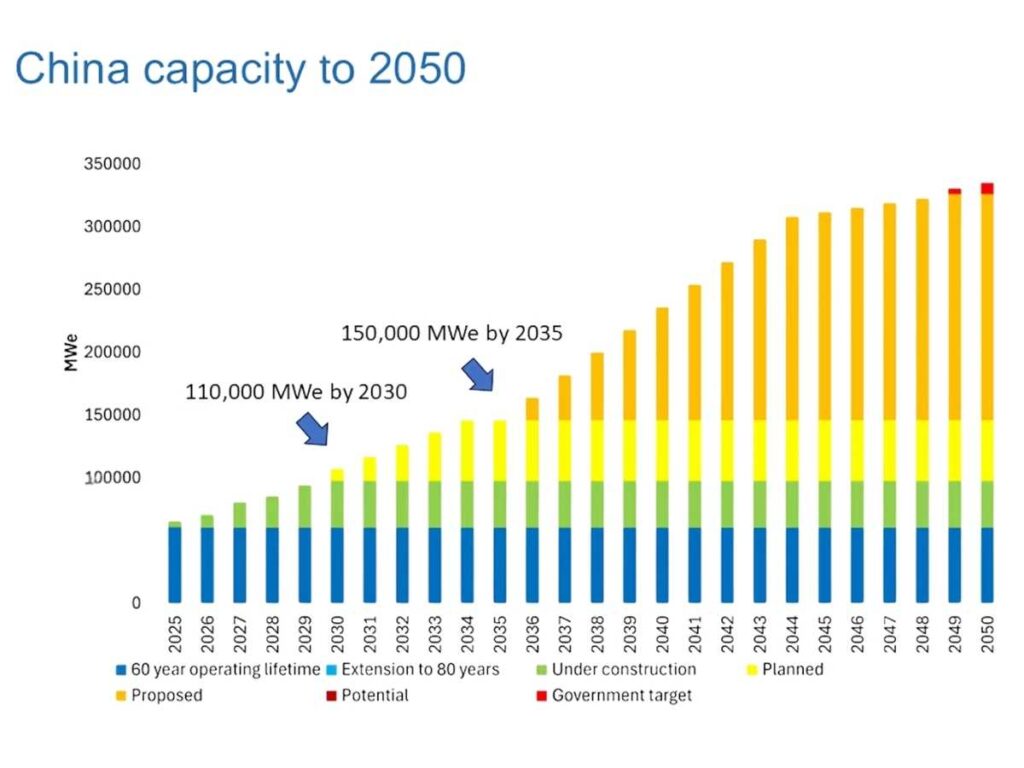
An analysis of market trends paints a promising picture. Experts predict that uranium prices may stabilize or even rise due to the increasing interest in nuclear power as a clean energy source. A report by the World Nuclear Association points to a “potential increase in global uranium demand as countries pivot toward substantial nuclear energy investments, particularly in Asia and North America“.
This increasing demand could translate into contract opportunities for U.S.-based suppliers. The U.S. nuclear reactor fleet, with about 93 commercial reactors, contributes a significant portion of the nation’s clean energy. The Nuclear Energy Institute further supports this assertion, estimating that U.S. reactors will need approximately 49 million pounds of uranium annually through 2030. For SMBs, this represents a robust market to consider participating in.
Strategic Moves for SMBs Engaged in Uranium Contracts
For SMBs interested in engaging with the U.S. uranium market, here are a few strategic moves to consider:
1. Infrastructure Investment: Investing in or seeking partnerships with existing uranium mines or processing facilities can provide immediate access to the market.
2. Research and Development: Focusing on innovative solutions in uranium processing or waste management could align with government funding priorities, tapping into both grants and contract opportunities.
3. Networking and Partnerships: Leverage industry events, government procurement fairs, and networking opportunities to connect with other players in the uranium supply chain.
4. Education and Training: Investing in training for your teams focused on compliance and regulatory needs specific to nuclear energy and uranium production enhances your competitiveness in securing government contracts.
Thankfully we have an all-in-one package with will get your business in the door when gunning for government subcontracting.
Conclusion
The shifting dynamics of the U.S. uranium market present SMBs with unique opportunities, especially those already engaged with or interested in federal contracts. By leveraging government support programs, responding to the increasing demand for uranium, and aligning your business strategies to meet industry needs, you can position your business for growth. Curious about how Select GCR can assist you in navigating government contracts? Check out our resources:
– Understanding Government Contracting
With the right approach, your business can thrive amid these changes. Stay informed, remain adaptable, and take strategic steps to engage in this vital and lucrative sector.
Sources
– U.S. Energy Information Administration. (2026). https://www.eia.gov/nuclear/
– World Nuclear Association. (2026). https://www.world-nuclear.org/
– Nuclear Energy Institute. (2022). https://www.nei.org/