What’s Happening in Venezuela and Why it Matters for Small Businesses
As January unfolds, the situation in Venezuela escalates significantly with the U.S. military removing former President Nicolás Maduro from power. This moment is pivotal not just for geopolitical dynamics; it also holds substantial implications for small and medium-sized businesses (SMBs) interested in government contracts and the evolving U.S.-Venezuela relationship.

Recent Developments
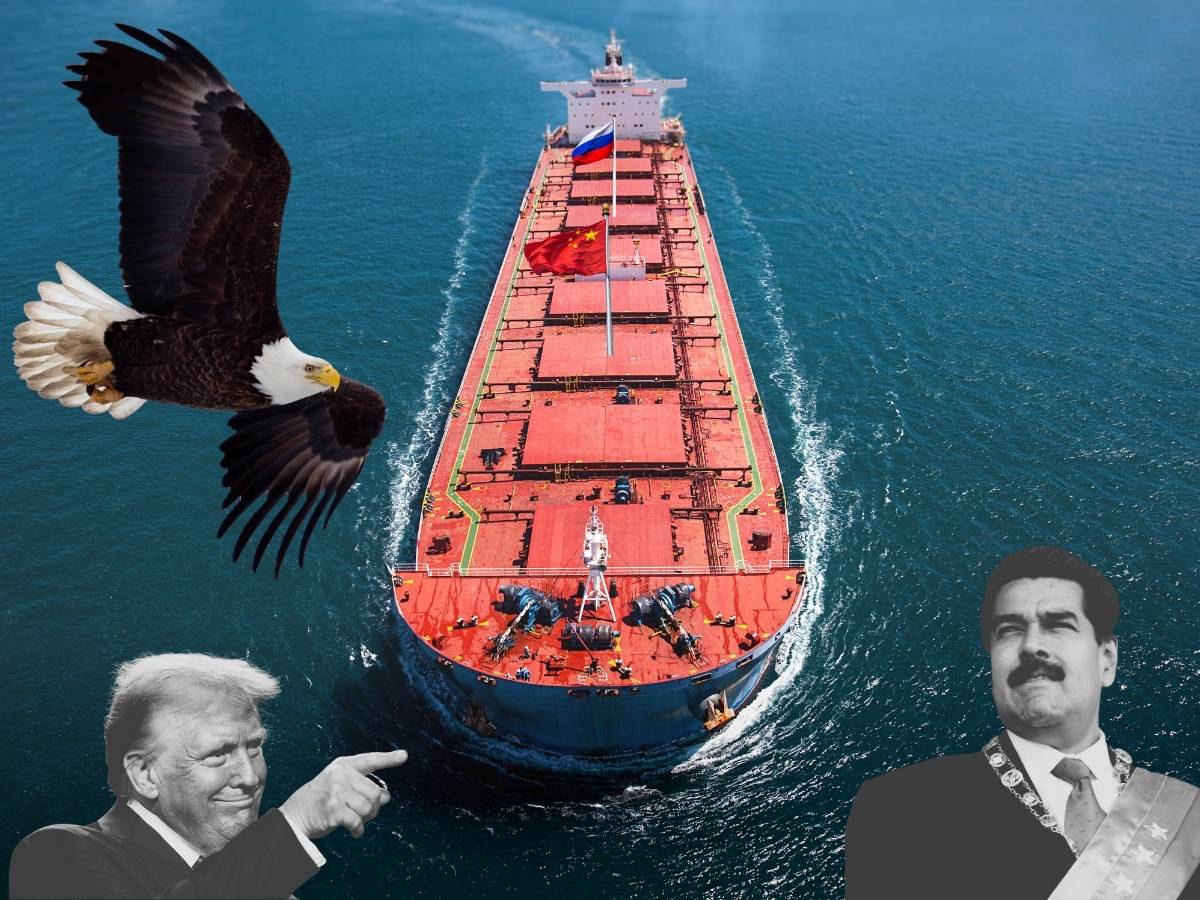
On January 7th, U.S. forces seized two tankers with Russian and Caribbean flags connected to Venezuela in the Atlantic and Caribbean, marking the latest action in a series of operations aimed at controlling Venezuela’s sanctioned oil exports. These seizures are part of a broader U.S. strategy to stabilize Venezuela and impose economic changes beneficial to the Venezuelan populace while also benefiting the U.S. economy. Secretary of State Marco Rubio emphasized that the U.S. now has substantial leverage over Venezuela, controlling the sale and proceeds from millions of barrels of oil.
The immediate aftermath of Maduro’s ousting brings forth questions about how Venezuela will be governed and what this means for existing contracts and regulations, particularly within the energy and military sectors that many SMBs may find themselves navigating.
Current U.S. Oil Production
The United States is producing oil at record levels. As of October 2025, crude oil output hit 13.87 million barrels per day (bpd), surpassing previous highs. For comparison, 2024 averaged 13.2 million bpd, marking a historic peak.
- 2025 Forecast
According to the Energy Information Administration (EIA), U.S. oil production is expected to average 13.5–13.6 million bpd in 2025, maintaining its position as the world’s top producer. - 2026 Projections
Industry forecasts predict a slight decline in 2026 due to lower oil prices and moderated drilling activity. Most estimates place production between 13.3 and 13.6 million bpd, with the EIA projecting around 13.5 million bpd.
Government Contracting Opportunities
For SMBs, there is a significant opportunity in the context of U.S. government contracts and programs aimed at helping stabilize Venezuela. Here’s how your business can benefit from these developments:
1. Involvement in Recovery and Transition Efforts: The U.S. government is likely to require contractors to assist in the rebuilding of Venezuela’s infrastructure. Opportunities may arise in areas like energy, transportation, and healthcare – sectors that will be crucial for recovering Venezuela’s economy and ensuring a breathable environment for local communities.
2. Understanding Government Programs: Programs aimed at 8(a), VOSB (Veteran-Owned Small Business) and HUBZone certifications may expand as the government accelerates its seek for diverse contractors. These programs provide federal contracting opportunities that can immensely benefit your business.
3. Exporting American Goods: President Trump stated that Venezuela will use proceeds from oil sales to purchase American products. This creates a unique avenue where SMBs can potentially engage in exporting goods and creating new partnerships. Engaging in this space can open doors for small businesses that provide essential goods ranging from agricultural products to medical devices.
Women-Owned Small Businesses (WOSB) Have a Stake in the Game
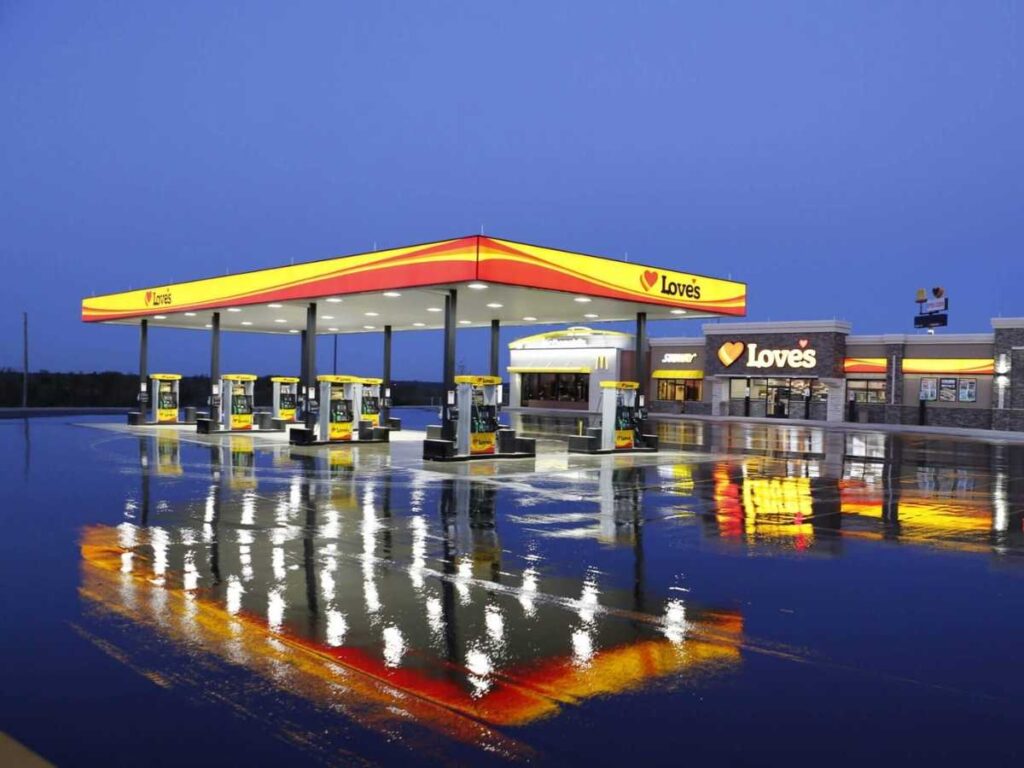
Amidst this evolving landscape, it’s important to spotlight Judy Love, the late co‑founder of Love’s Travel Stops & Country Stores, making her one of America’s richest (#15) self-made women with a net worth around $10-13 billion at the time of her death in 2024. Beginning in 1964 with a single service station and a $5,000 loan, Judy handled the company’s finances, serving as treasurer, helping grow Love’s into a powerhouse with over 650 locations across 42 states.
Her influence extends beyond business into philanthropy, earning her induction into the Oklahoma Hall of Fame and recognition as a leading female entrepreneur. Judy’s story underscores that women are making significant inroads into the traditionally male-dominated oil and gas industry, where female representation is gradually rising (approximately 23% of the workforce).
– Learn more about WOSB Certification here.
Key Considerations for New Contractors
If your business is interested in government contracting but hasn’t begun the journey, here are actionable steps to facilitate your entry:
– Register with SAM and GSA: Typically, businesses must register with the System for Award Management (SAM) and, if applicable, obtain General Services Administration (GSA) approval to bid on federal contracts. Ensure you familiarize yourself with these platforms to leverage upcoming opportunities effectively.
– Research and Networking: Networking with industry professionals and potential partners can provide insights into current government needs that align with your offerings. Maintain an informed stance about government spending trends related to Venezuela.
– Evaluate Compliance and Costs: Understanding compliance requirements and your pricing strategy for federal contracts is crucial. Citizens expect transparency regarding how their tax dollars are being spent. Read the latest Select GCR articles for tips on compliance and pricing strategies.
How Select GCR Can Help
At Select GCR, we specialize in helping SMBs navigate the complexities of government contracting. Whether you are a veteran-owned business looking to capitalize on recent government initiatives or a newcomer seeking direction in this evolving landscape, we have resources tailored to guide you through.
Past Relationship with U.S. and Venezuela
Chevron remains the only major U.S. oil company operating in Venezuela, functioning under special U.S. government licenses that permit limited production and exports of heavy crude, a vital type for U.S. refineries. The company produces significant volume (around 150,000 bpd recently) under deals with PDVSA, using profits for operations rather than directly benefiting the Maduro government, with ongoing discussions for license expansion to potentially boost exports and address Venezuelan debt.
Chevron’s assets weren’t fully nationalized like those of ExxonMobil or ConocoPhillips in the 2000s. Instead, Hugo Chávez’s government forced them into joint ventures with the state oil company (PDVSA), allowing Chevron to remain operational, albeit under altered terms, making it the sole U.S. major still in Venezuela and uniquely positioned for potential future investment as political situations evolve.
While some assets were seized from others, Chevron navigated these changes, operating under special U.S. licenses, and investors now see them as best placed to benefit from Venezuela’s vast, but underdeveloped, oil reserves.
The Future of U.S. and Venezuela Relations
As Venezuelan conditions evolve, many questions remain about what this means for both Venezuelans and American interests. The new interim government, led by Delcy Rodríguez, acknowledges the necessity of cooperating with the U.S. to stabilize both economies.
Though the transition might be tumultuous, it represents a unique opportunity for SMBs willing to engage in these markets. The U.S. aims to ensure that the revenues from Venezuelan oil benefit both nations, creating trade relationships that could last long after the current crisis resolves.
Final Thoughts
The unfolding political landscape in Venezuela opens discussions around U.S. foreign policy and its consequences for business on both sides. For SMBs, the implications are profound, with new opportunities to engage in government contracts that serve not only to meet immediate needs but also help sector recovery. The cooperation and economic exchange may pave the way for future business ventures that extend far beyond Venezuela’s borders.
For more insights into government contracting, compliance versus bidding, and strategic partnerships in light of recent events, explore additional resources at Select GCR:
– Understanding the 8(a) Business Development Program
– Navigating the HUBZone Program
– Getting Started with VOSB and SDVOSB Certifications
Staying informed will empower your business to adapt quickly in the volatile landscape of government contracting while seizing unique growth opportunities.