
Countdown of the Top 10 Economies in MENA: Implications for Small Businesses and Government Contracting
The Middle East and North Africa (MENA) is a region ripe with economic potential, showcasing diverse and burgeoning markets. For small to medium-sized businesses, particularly those eyeing government contracts or seeking to be subcontractors to prime contractors, understanding the economic landscape of MENA is essential.
2025 Freedom Index
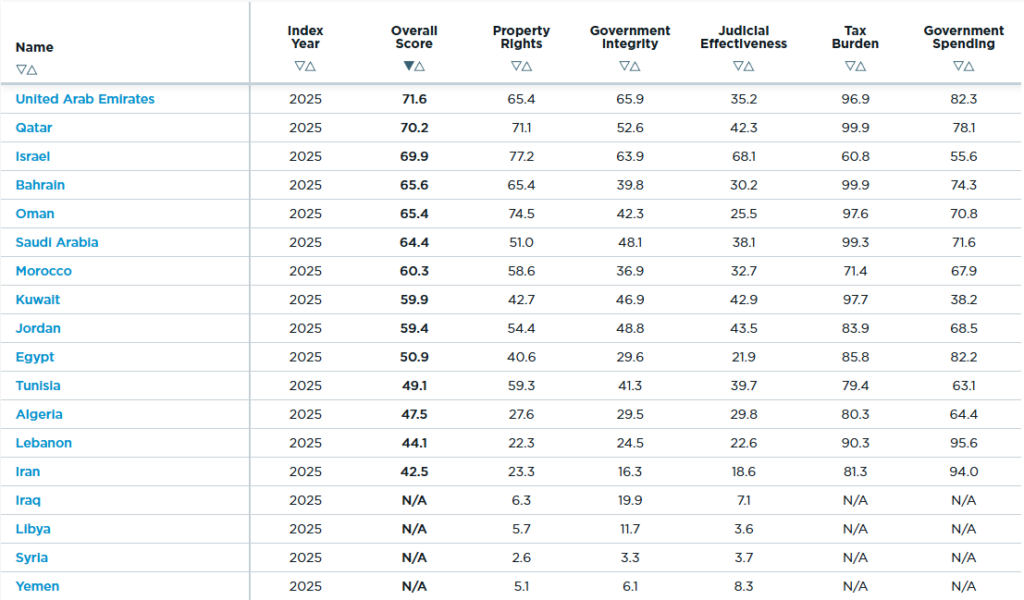
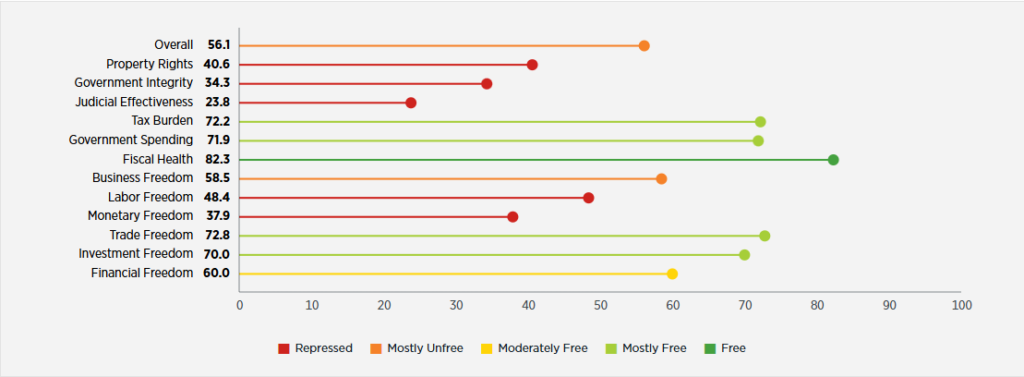
The Heritage Foundation’s Freedom Index is an annual ranking that measures how economically free different countries are. It evaluates nations using 12 key factors such as property rights, tax burden, government spending, judicial effectiveness, trade freedom, labor freedom, and investment freedom, then assigns an overall score based on these metrics.
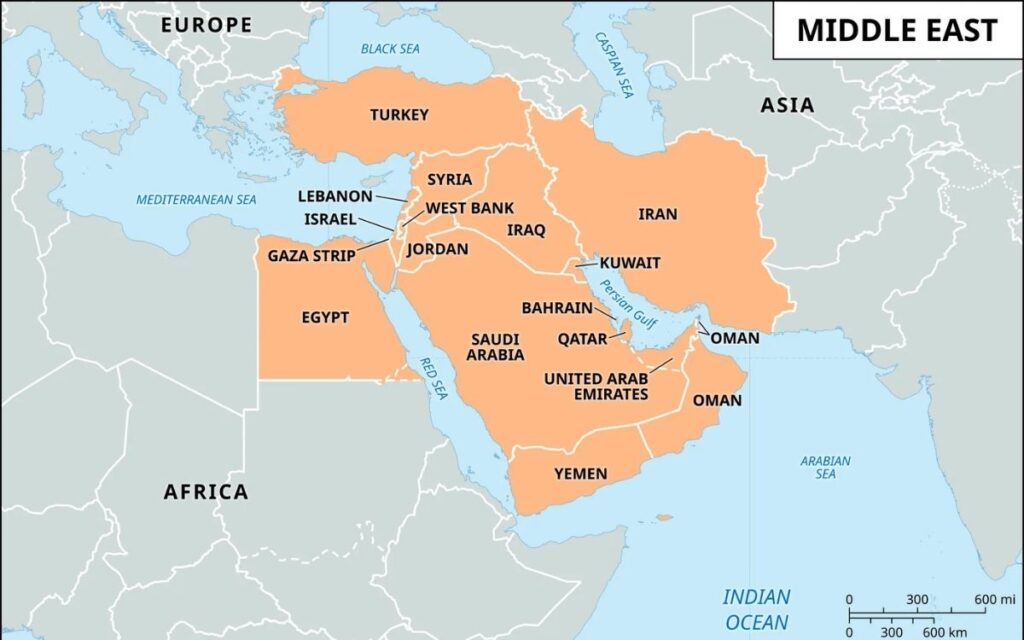
Below, we countdown the top 10 economies in the MENA region according to the latest GDP data from the International Monetary Fund (IMF) to provide insights into opportunities for business growth within government contracting.
10. Kuwait — GDP: $159.69 billion
Kuwait holds a significant position in the MENA economy due to its vast petroleum resources. The country’s tax-free system has made the Kuwaiti dinar the highest-valued currency globally. While Kuwait has plans for economic diversification, oil-based industries continue to dominate. Small businesses can leverage Kuwait’s affluent economy by offering services related to energy, construction, and supply chain logistics, particularly in government projects related to infrastructure development.
9. Algeria — GDP: $224.11 billion
Algeria presents itself as a bridge between Africa and Europe. Predominantly reliant on oil and natural gas, it has initiated a shift toward a private sector-led growth model. This change opens up avenues for small businesses specializing in non-hydrocarbon sectors, particularly in public works and services sought by the government. As Algeria works to improve its business environment, opportunities in sectors such as renewable energy and technology implementation will grow.
8. Qatar — GDP: $235.5 billion
Qatar boasts one of the highest GDPs per capita globally and is focused on diversifying its economy while strengthening its natural gas sector. Small businesses can capitalize on government contracts in construction, hosting international events, and technology sectors, as Qatar invests in world-class infrastructure in preparation for major global gatherings.
7. Iraq — GDP: $254.99 billion
Despite challenges due to its heavy reliance on oil, Iraq is making strides to enhance its non-oil growth sectors, including chemicals and materials manufacturing. Small businesses that can supply essential goods or services for the reconstruction and stability efforts present significant opportunities. Engaging with government agencies, especially those involved with redevelopment projects, could lead to fruitful partnerships.
6. Iran — GDP: $366.44 billion
Home to considerable natural resources and a diverse economy, Iran’s membership in global organizations has catapulted its integration into the world economy. The nation is experiencing structural reforms that may enhance trade. Small businesses that understand geopolitical nuances and can navigate sanctions may find unique subcontracting opportunities, especially in food supplies, healthcare, infrastructure improvements, and technology.
5. Egypt — GDP: $398.4 billion
Egypt faces economic challenges, yet it remains an influential player within MENA. With a focus on textiles, tourism, and metals, small businesses can thrive in government initiatives aimed at stabilizing the economy. Areas such as tourism services and renewable energy could provide robust opportunities for subcontracting with governmental bodies tackling inflation and capital shortages.
4. United Arab Emirates — GDP: $509.18 billion
The UAE is renowned for its progressive business landscape and world-class infrastructure. The government is known for actively encouraging diversification and inviting foreign investment. For small to medium-sized businesses, government contracts in the health and education sectors, as well as environment-focused initiatives through the UAE’s ‘We the UAE 2031’ plan, offer avenues for collaboration.
3. Israel — GDP: $521.69 billion
With a dynamic economy driven by high-tech industries, Israel offers an inviting market for small businesses looking to partner with government contracts. Innovations in defense, cybersecurity, and technology need continuous support. Engaging with Israeli prime contractors focused on government-related projects could provide small businesses with promising sub-contracting opportunities, especially in tech services.
2. Saudi Arabia — GDP: $1,070 billion
Saudi Arabia’s Vision 2030 aims to transform its economy from oil dependency to a diversified landscape. The increasing government expenditure on technology, infrastructure, and education creates a wealth of opportunities for small businesses to enter as subcontractors in significant government initiatives. Fostering relationships with local prime contractors will be essential for navigating this lucrative market.
1. Türkiye — GDP: $1,150 billion
Türkiye has emerged as the largest economy in MENA, showcasing robust growth driven by economic reforms. As the country reduces poverty and boosts industrial capacity, small businesses can flourish by engaging with international government contracts in sectors like manufacturing and technology. The recent growth in consumer spending indicates a favorable climate for service providers within the emerging contracting ecosystem.
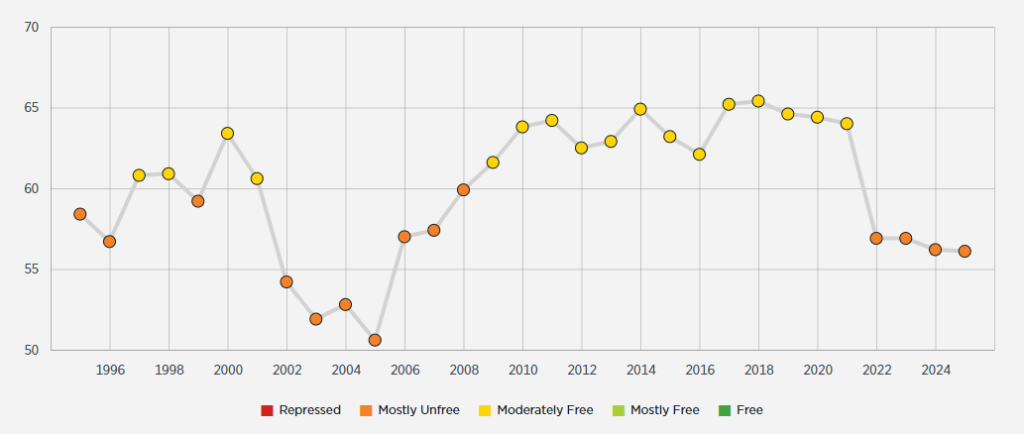
Turkiye Freedom Index
Conclusion
Understanding the landscape of MENA’s top economies can provide substantial insights for small and medium-sized enterprises looking to secure government contracts or participate as subcontractors. Companies must consider strategic partnerships with local prime contractors and focus on sectors aligned with government initiatives to maximize growth potential.
For detailed guidance on securing government contracts, consider reaching out to us at Select GCR. With our expertise in government contracting, we can help your business navigate this promising landscape, aligning your services with the ambitious governmental goals present throughout the MENA region.