Government Contracting: “Made In America” by Small and Medium-Sized Businesses
In the ever-evolving landscape of government contracting, small and medium-sized businesses (SMBs) hold significant potential to grow while contributing to vital federal projects. The U.S. government, being the largest buyer of consumer goods globally, offers numerous opportunities for service providers looking to engage with federal agencies. This guide is tailored for SMBs interested in or currently contracted with the U.S. government, particularly those unfamiliar with the intricate processes like the System for Award Management (SAM) or the General Services Administration (GSA). With the emphasis on “Made in America” policies, it is crucial for businesses to understand how they can align with these initiatives to maximize their chances of success. This new executive order labeled “ENSURING TRUTHFUL ADVERTISING OF PRODUCTS CLAIMING TO BE MADE IN AMERICA” states,
Born here. Raised here. Harvested here. Processed here.
— The White House (@WhiteHouse) March 24, 2026
The TRUE AMERICAN standard. 🇺🇸pic.twitter.com/wMFYiRWYbw
“For any contractors or vendors found to misrepresent an American-origin status of any product sold to the Government, the relevant agency shall remove the products from Government procurement availability and refer the relevant contractors or vendors to the Department of Justice, which may pursue actions under the False Claims Act (31 U.S.C. 3729 et seq.)”
Understanding the Landscape of Government Spending
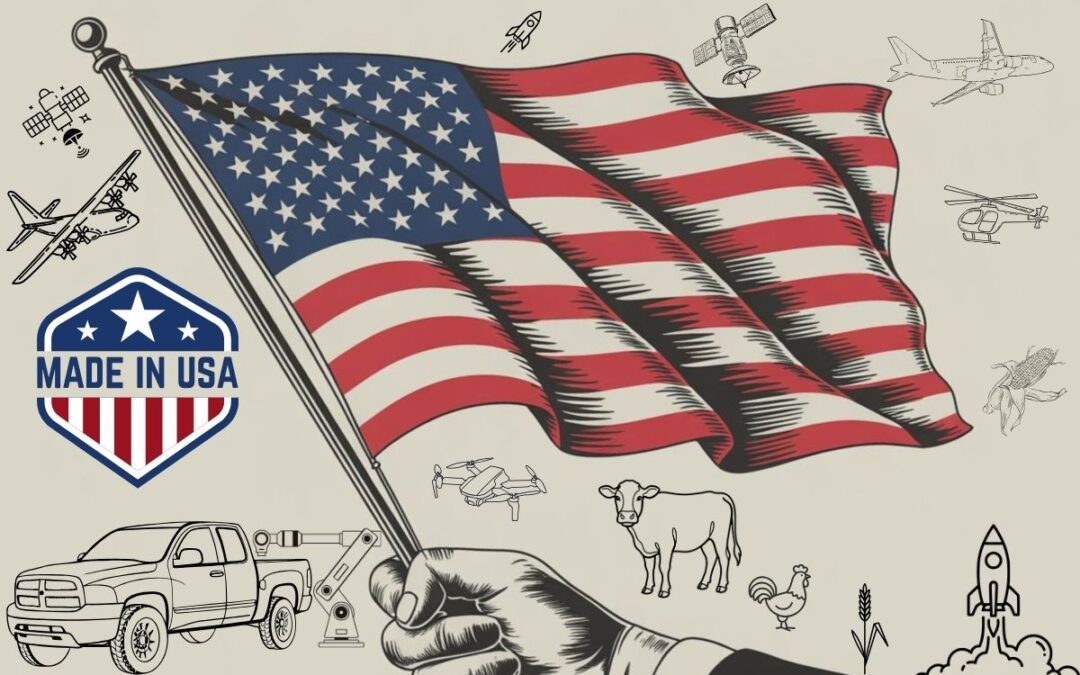
The U.S. government allocates nearly half of its purchasing power towards manufactured products, which range from trucks to advanced technology and even crucial medical supplies. By adhering to Buy American policies, the government aims to support domestic suppliers, thereby enhancing the competitiveness of U.S. industries. This doesn’t just cover farming. This initiative expands across robotics, automotive, retail, manufacturing and more.
What are Buy American and Buy America Policies?
It’s important to note that while both policies promote domestic production, they operate under different laws. The Buy American Act (BAA) is primarily aimed at federal procurement, requiring the federal government to favor domestic goods and materials. The BAA dictates that for a product to qualify as a domestic end product, it must be manufactured in the U.S., and over 65% of its components must also originate from the states. This statistic is set to rise to 75% by 2029, presenting even more opportunities for local manufacturers.
On the other hand, Buy America policies are related to federal financial assistance programs, such as grants. These policies are essential for SMBs to comprehend as they seek to provide goods under these governmental frameworks. For a comprehensive understanding, businesses can refer to the full provisions detailed in the Buy America Act. The USDA finalized that the “Product of USA” label can only be used for meat, poultry, and egg products where the entire supply chain occurs in the U.S.. The rule, which went into effect on January 1, 2026, aims to prevent consumers from being misled into thinking imported meat (e.g., from Brazil, Canada, Australia) is domestically produced.
This reminds us of the old Paul Harvey adage which (when made) was directed at farmers yet today is expanded to encapsulate products as well. Regardless if you’re religious or not, this resonates with food consumers and provides a deep feeling of respect for our producers.
Benefits for Small and Medium Businesses
While SMBs might see government contracting as a daunting challenge, it can actually fortify business foundations. The ability to tap into federal contracts can provide steady revenue streams and foster long-term growth. Moreover, small business designations such as Veteran-Owned Small Business (VOSB), Women-Owned Small Business (WOSB), and HUBZone can enhance your eligibility for specific government contracts, offering further advantages in the procurement process.
Leveraging Your Status
Engaging with these programs not only signifies your commitment to quality and local production but also opens doors to government benefits and networking opportunities that can significantly impact your growth trajectory. For example, the federal government often sets aside contracts specifically for businesses holding these certifications.
Rep. Thomas Massie is on the brink of securing a huge win for small farmers.
— Farm Action (@FarmActionUS) March 25, 2026
His PRIME Act is officially included in the 2026 Farm Bill.
If this passes, it will deliver a blow to Big Ag’s stranglehold on the meatpacking industry.
“This would make it easier for local farmers to… pic.twitter.com/tTrmARbv4T
Steps to Get Started with Government Contracting
1. Register in SAM: The first requirement for dealing with federal contracts is registration in the System for Award Management (SAM). This is a free, self-service tool that allows businesses to manage their entity registration and maintain eligibility for federal contracting. While it may seem overwhelming, this step is crucial for securing government contracts.
2. Familiarize Yourself with GSA Schedules: The General Services Administration (GSA) has established various schedules that simplify the procurement process for government agencies. Understanding which schedule fits your offerings can accelerate your entry into government contracts.
– You can find valuable insights in our article on GSA Schedules and their Benefits.
3. Master Bid Proposals: Writing clear and compelling proposals is essential in the government contracting world. Specific guidelines must be followed, and your proposal needs to display how your service or product benefits the government.
– A helpful guide can be found at Bid Proposal Writing Tips.
4. Network and Build Relationships: The federal contracting space depends heavily on relationships. Engage with industry events, webinars, and forums to connect with other contractors, learn from their experiences, and explore partnership opportunities.
– Check out our networking tips on Creating Partnerships.
5. Utilize Supplier Scouting Services: The Manufacturing Extension Partnership (MEP) program identifies domestic manufacturers to link with government agencies looking for products or services. As part of this initiative, SMBs can leverage Supplier Scouting for finding relevant manufacturing partners.
Understanding Contract Types and Requirements
It’s vital for SMBs entering the government contracting space to comprehend the various contract types they could encounter:
– Fixed-Price Contracts: Ideal for projects with predictable costs.
– Cost-Reimbursement Contracts: Suitable for projects where costs may fluctuate.
– Indefinite Delivery Contracts: Allows for greater flexibility in meeting changing government demands.
Understanding these will help set realistic expectations and enhance your strategy for succeeding in government contracts.
Government Benefits for Small Businesses
Government contracts often come with benefits that can assist in reducing your costs and expanding your business:
– SBA Programs: The Small Business Administration offers multiple programs aimed at helping small businesses secure federal contracts, assisting in areas like financing and mentorship.
– Tax Incentives: Depending on your business’s location and focus, you may be eligible for various tax advantages that can offset some business expenditures.
A NEW STANDARD FOR AMERICAN MADE. 🥩🥚
— The White House (@WhiteHouse) March 24, 2026
The Trump Administration is launching a new "Product of USA" label reserved exclusively for meat, poultry, and egg products made right here in the USA. pic.twitter.com/tYP66MhTn9
Continuing Your Journey
As you embark on this journey, remember that the government landscape is continually changing. Stay informed about legislative updates, especially those pertaining to the Made in America initiative, and recognize that these can directly influence contracting opportunities.
For further assistance in navigating government programs and maximizing your certifications, consider reaching out to government contracting specialists who can guide you through the nuances of this world. At Select GCR, we specialize in helping SMBs streamline their government contracting efforts and connect them with ideal opportunities.
For any inquiries or comments regarding program waivers or other concerns, don’t hesitate to contact the OMB Made in America Office.
By utilizing these resources and implementing effective strategies, your SMB could not only thrive within the government contracting sphere but also contribute significantly to the U.S. economy by reinforcing the “Made in America” vision.
Sources
– U.S. Procurement Statistics
– U.S. Small Business Administration (SBA)
– OMB Made in America Office
– Federal Acquisition Regulation (FAR) Guidelines
With the right information and tools, your path to government contracting can be a successful one. Start today!