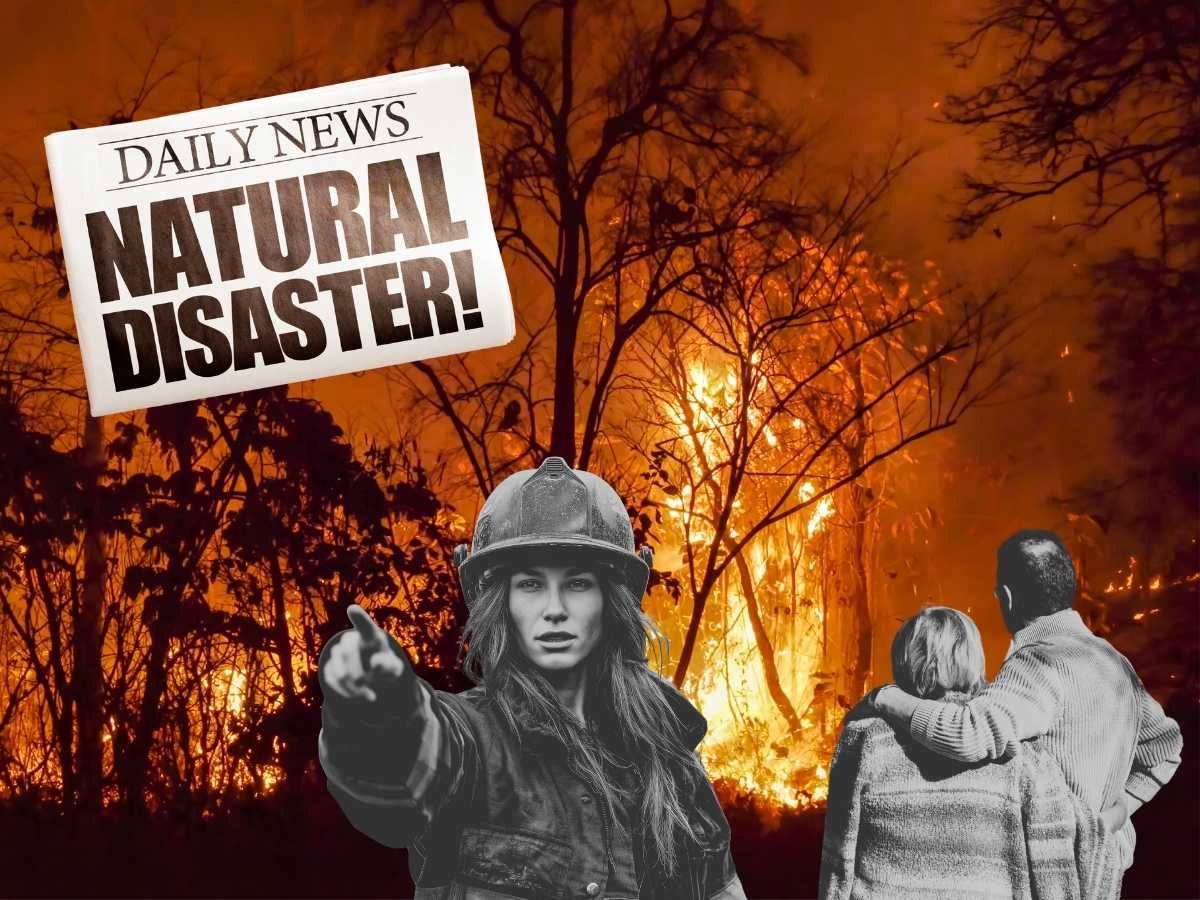
Why SMBs should plan for state and FEMA registration before the next disaster hits
SMB’s across emergency supply, construction, logistics, IT, healthcare support, and professional services increasingly find real opportunity in disaster response and recovery contracting. The demand is driven by federally declared disasters and the way FEMA and state governments source urgent goods and services. Registration and readiness are not marketing checkboxes. They are the operational prerequisites that bring your company into view when mission needs are assigned, and public assistance projects begin.
Select GCR works with businesses to build contracting readiness and position them for time sensitive buying cycles. As Select GCR states, “we guide your business through FEMA registration and provide essential education on disaster relief programs,” helping vendors set up profiles and navigate procurement platforms that matter in a declaration.
The contracting landscape SMBs face in FEMA response
FEMA’s goal is to contract with local businesses in an affected area whenever practical and feasible, and it follows a four-step pathway that begins with APEX Accelerators counseling, then SAM registration, followed by aligning with FEMA’s mission needs and monitoring opportunities. For disaster work, vendors indicate participation in the Disaster Response Registry within SAM, so contracting officials can quickly find companies with disaster capabilities.
FEMA’s Small Business Program engages procurement staff to ensure small businesses have maximum practicable opportunity, posting solicitations on SAM and Unison Marketplace and forecasting opportunities over the simplified acquisition threshold through DHS’s APFS. This is where disciplined market research meets compliant vendor profiles.
Transparency is improving. FEMA’s OpenFEMA platform publishes machine readable datasets such as Disaster Declarations Summaries and Mission Assignments, allowing suppliers to analyze where declarations and work orders are trending over time. Using these datasets, teams can see when assistance programs are authorized and where mission taskings are flowing.
Why state and FEMA registration matter now
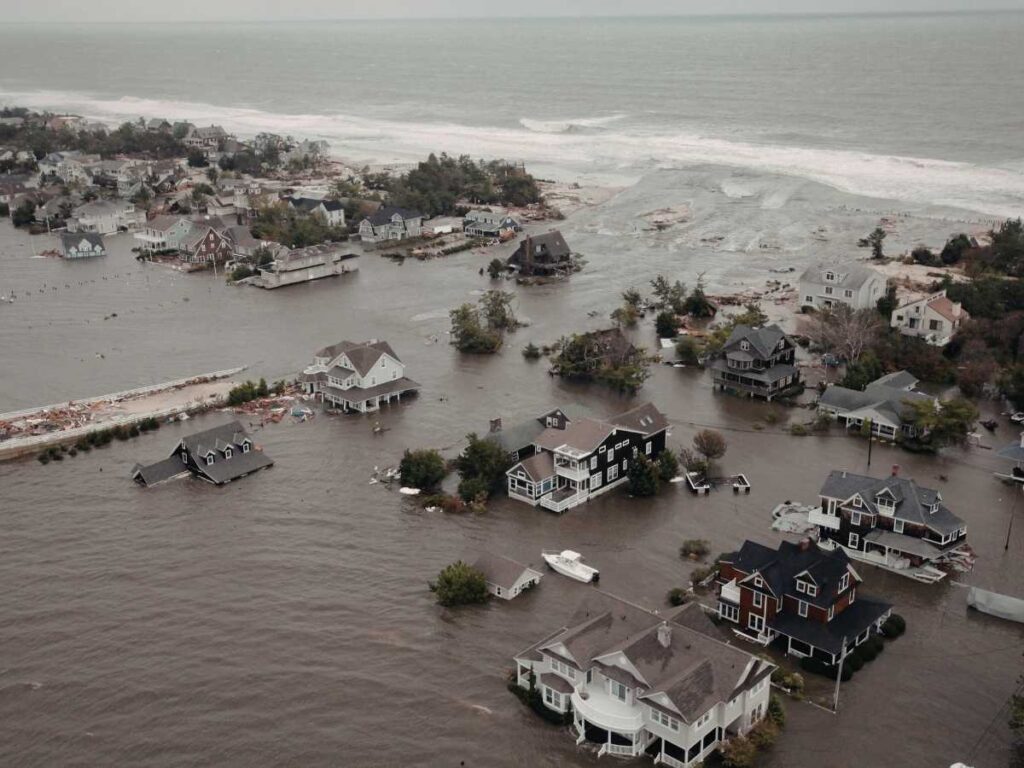
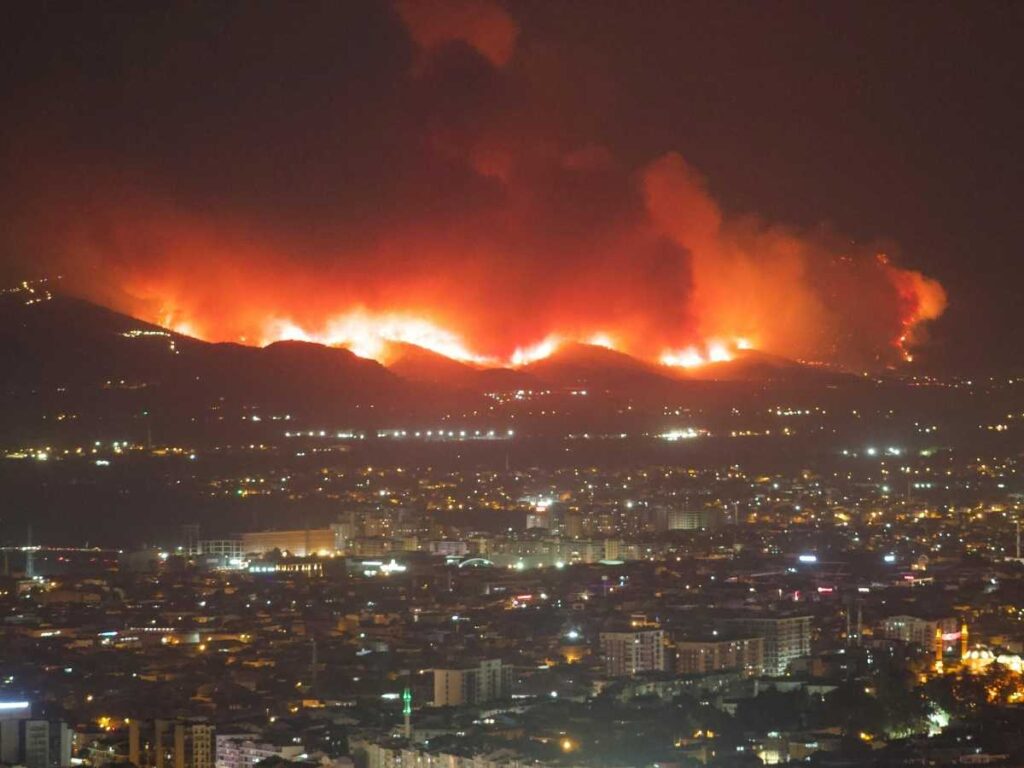
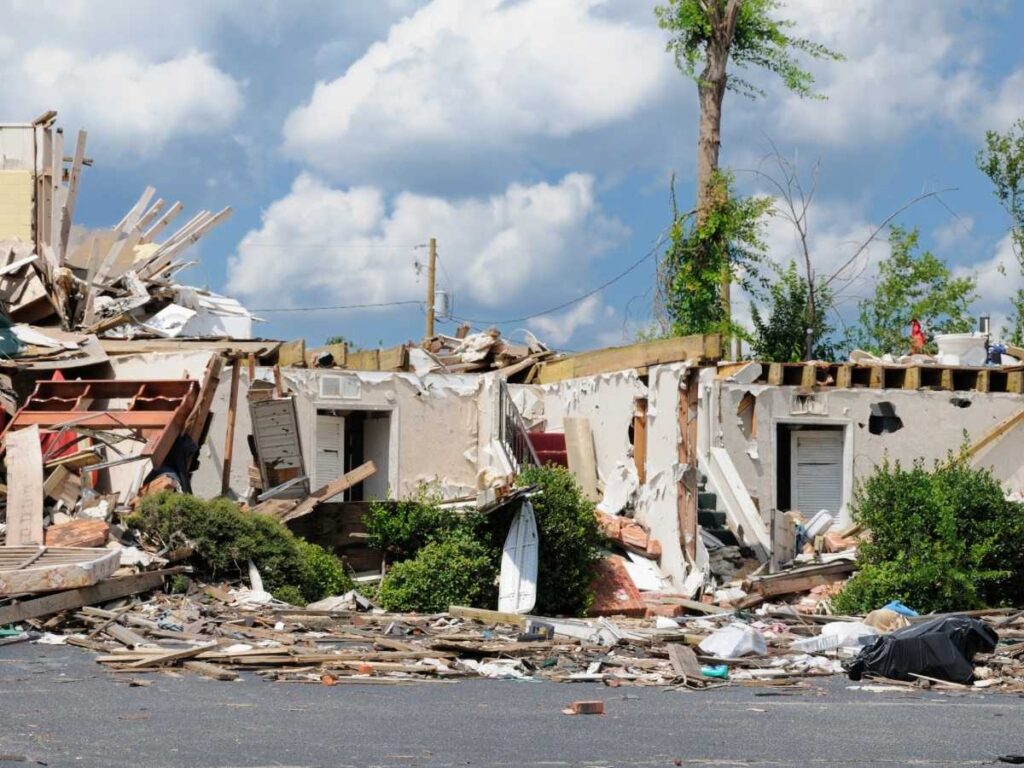
When a President makes a disaster declaration, FEMA activates programs like Public Assistance, which funds debris removal, emergency protective measures, and restoration of damaged public infrastructure. Public Assistance grants carry a federal cost share of not less than 75%, which fuels contracting demand across jurisdictions and primes. If you are not registered and visible at the moment assistance is authorized, you are unlikely to be contacted or prequalified for urgent buys.
Select GCR emphasizes that “proper registration ensures you’re discoverable during declarations of emergency, qualifying you for set‑aside opportunities for small businesses.” Their advisory covers vendor setup across FEMA’s ecosystem, SAM, and SBA’s small business resources, with a focus on time sensitive bids and visibility gaps that cause firms to miss opportunities.
For businesses planning multiyear stability, this is about structure and timing. FEMA uses mission assignments to task federal partners under the Stafford Act, often in coordination with Emergency Support Functions and state agencies. The speed of these assignments means buyers look first to compliant, registered vendors already on the right lists.

What data says about readiness and changing federal buying behavior
OpenFEMA’s declarations data, refreshed regularly, shows the cadence of major disasters, emergencies, and fire management events dating back decades. For suppliers, the consistent pace and geographic spread translate into recurring needs for transport, shelter, medical supplies, PPE, food and water, power, debris management, and professional services. Public datasets also indicate which programs were authorized for each event, helping vendors align NAICS codes and narratives to likely scopes of work.
FEMA’s Small Business Program reinforces the need to maintain a current SAM registration and DSBS profile, and to monitor RFIs and sources sought as part of market research. FEMA explicitly advises that SAM registration is required, is renewed annually, and points vendors to the Disaster Response Registry. These are practical, measurable steps; there is no guarantee of award, but the absence of registration virtually guarantees exclusion.
Industry specific planning guidance
- Emergency food, water, mass feeding, and comfort kits
These vendors often serve early response under ESF 6 with mass care and emergency assistance. Registration ensures buyers can locate shelf stable meal providers, bottled water distributors, and family comfort kit suppliers when Individual Assistance shelters open, and emergency feeding scales up. Maintain product service codes for food services, packaging, and distribution, and confirm participation in the Disaster Response Registry within SAM to improve findability during declarations.
- Medical supplies, PPE, hygiene, and sanitation
Medical distributors and PPE suppliers align with ESF 8 and logistics support. FEMA’s mission assignments mobilize federal partners to move commodities and support public health measures. Vendors should register and prepare rapid ordering cycles, ensure DSBS keywords reflect PPE, testing, sanitation, and emergency medical commodities, and monitor APFS for larger buys.
- Shelter materials, cots, generators, fuel, and field office equipment
Manufacturers and distributors in these categories serve ESF 7 logistics and ESF 3 public works. Public Assistance funds restoration of infrastructure and hazard mitigation work; primes need sub‑suppliers for tarps, plastic sheeting, generators, and portable power. Ensure state vendor lists are current and position your FEMA readiness with a SAM profile that highlights rapid deployment capacity and warehousing.
- Transportation, warehousing, trucking, air and maritime cargo, last mile delivery
FEMA prioritizes local businesses when they are feasible. Transportation providers should register and also complete FEMA’s vendor profile form for market research meetings, knowing that meetings do not imply award. Use DSBS to highlight fleet capacity, specialized hauling, air charter, barge services, and hazardous materials credentials.
- Construction, general building, electrical, mechanical, roads, bridges, debris removal, demolition
Public Assistance permanent work categories C through G cover roads, water control facilities, public buildings, utilities, and parks. Contractors should coordinate SAM and state registrations, maintain bonding and safety qualifications, and track Requests for Public Assistance timelines in declared areas. A set profile increases your visibility to primes managing debris removal and infrastructure repair.
- Temporary housing, modular units, installation, and maintenance
Housing providers serve shelter and recovery needs under ESF 6 and Public Assistance. Align NAICS codes to modular housing and installation services, ensure DSBS narratives describe surge capacity, and monitor APFS for housing related task orders in the months after declarations.
- Engineering, architecture, environmental consulting, hazard mitigation, geospatial, mapping, and surveying
These firms support damage assessments, design, and mitigation planning. FEMA’s updated Public Assistance Program and Policy Guide encourages cost effective hazard mitigation during rebuilding, favoring resilient solutions. Registration, DSBS detail, and past performance documentation are essential for eligibility and teaming.
- IT, cybersecurity, data management, software, telecom, and network services
ESF 2 communications and ESF 5 emergency management depend on interoperable systems, cyber resilience, and field communications. Vendors should register, list relevant GWACs or GSA vehicles, and maintain DSBS entries with mission relevant keywords to support command/control and public alerts workflows.
- Medical staffing, EMS, ambulance and mobile clinics, behavioral health, public health consulting, pharma distribution
Staffing and clinical support often operate through teaming with primes or local health authorities. Registration ensures contracting officers can contact you fast as shelters and disaster recovery centers open. Maintain licensure documentation and capacity statements in DSBS.
- Labor staffing, security, janitorial, waste management, facilities and grounds, translation and interpretation
These services sustain field operations and recovery sites. FEMA’s vendor profile process is a market research step only and does not guarantee award; registration in SAM remains the prerequisite to bid and get paid. Service providers should align PSC codes and emphasize 24/7 surge capability.
- Call centers, training, logistics planning, program management, financial and grant management, admin support, printing, communications
Public Assistance delivery requires program support. FEMA’s Grants Portal and process outline how applicants submit and manage projects; primes and subrecipients need trained administrative and communications partners. Registration positions firms to support applicants within required timelines.
Certifications and how they fit into FEMA and state procurement
Many SMBs research SBA and socio-economic certifications like VOSB, WOSB, HUBZone, MBE, and whether to use GSA schedules or platforms like OpenGov at state levels. FEMA’s Small Business Program is part of DHS OSDBU, and encourages vendors to connect through vendor outreach sessions and to leverage mentor‑protégé relationships for capacity building. While certifications can influence set asides and subcontracting goals, FEMA reminds vendors that market research includes RFIs and sources sought beyond DSBS searches, so profile completeness matters.
Supporting your contracting plan
Select GCR’s advisors streamline vendor registration and positioning across FEMA, SAM, and SBA small business resources, including UEI setup and CAGE assignment, and optimization for disaster related searches. They also train vendors to confirm disaster declarations, engage state agencies and disaster recovery centers, and understand where grants and assistance intersect with contracting demand. These practical steps become critical in the first days of a declaration.
FEMA’s policy and guidance underline compliance with realities. Meetings or vendor presentations are used for market research and do not imply a contract. Registration is required to bid and receive payment. Vendors should plan for annual SAM renewals, maintain documentation, and be prepared for cost-reasonable reviews under assistance programs.
Supporting your contracting plan
Select GCR’s services extend the insights embedded in FEMA registration guidance:
- Certification strategy and compliance
Advisors help map certification pathways and ensure alignment with small business programs and state requirements, so your profile reflects qualifications buyers actually search for. - Bid writing and proposal development
Dedicated teams handle the heavy lifting of proposal execution so you can move quickly on RFIs, sources sought, and solicitations posted on SAM and Unison Marketplace. - Pre-vetted opportunity sourcing
Using forecasting resources like DHS APFS and other market research channels, Select GCR curates relevant opportunities that match your NAICS and PSC profile. - Advisory support packages
From vendor setup to disaster program education and outreach to state agencies, advisory packages focus on urgent readiness during declarations and ongoing compliance thereafter. - Select GCR PRO
Proprietary tools to support agency analysis, acquisition portfolio insights, and targeting of high spending departments, including FEMA specific registration guides.
Conclusion
Government contracting in disaster response is structured, data rich, and mission driven. OpenFEMA datasets, FEMA’s Small Business Program guidance, and Public Assistance rules make the path clear: compliant registration, accurate profiles, and timely market research open the door for qualified SMBs across emergency supply, construction, logistics, IT, staffing, and professional services. , ,
Select GCR brings practical experience and instruction to help your business get visible and ready when declarations occur, with services that extend FEMA insights into certification strategy, bid support, opportunity sourcing, and advisory packages. Review the FEMA registration guidance and schedule a planning-oriented consultation to move from research to readiness on your timeline. Read Select GCR’s FEMA registration overview and schedule a consultation based on your current readiness.