
The Deep Freeze: Impact on Florida’s Agriculture and What Small Businesses Can Do
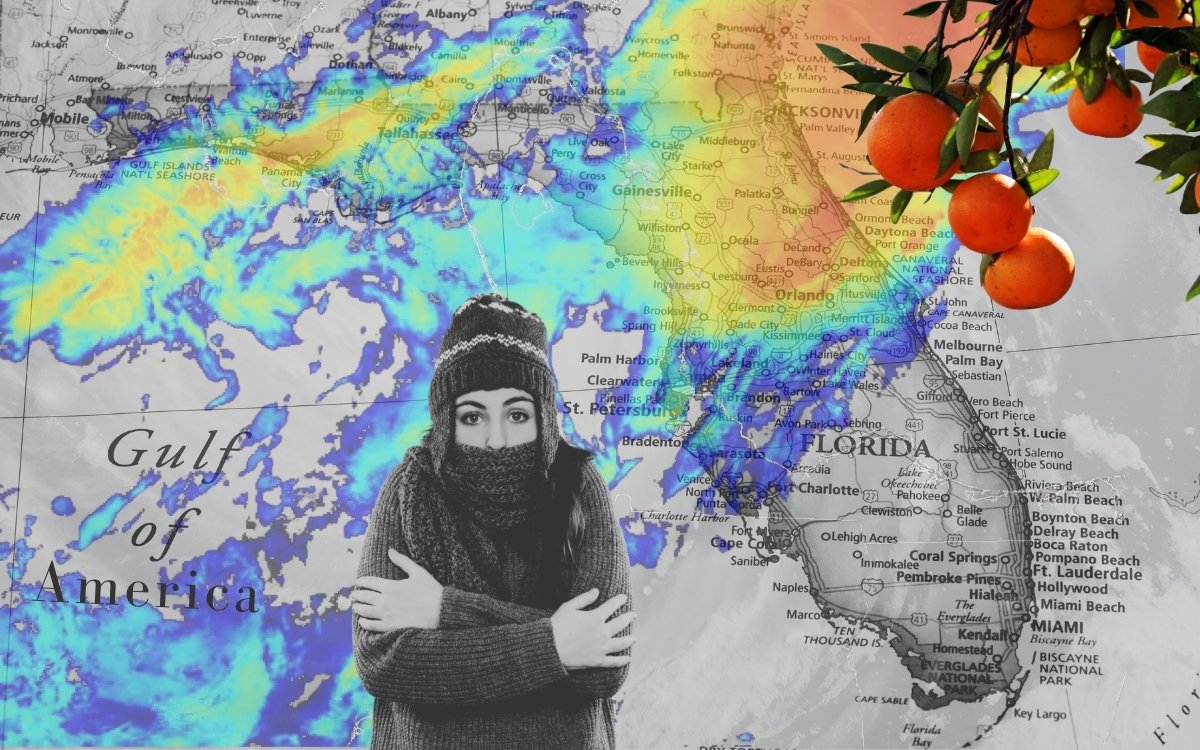
Florida, known for its sunny skies and vibrant agriculture, recently faced a tough challenge as winter storms wreaked havoc on its farming industry. Between December 30, 2022, and February 4, 2023, two significant winter storms, Ezra and Gianna, rolled through the state, bringing chilling temperatures that resulted in an estimated loss of over $3.17 billion to Florida’s agricultural sector. This article dives into the aftermath of these storms, what it means for local businesses, and how small and mid-sized businesses involved in agriculture or contracting can navigate these challenges.
The Unexpected Chill
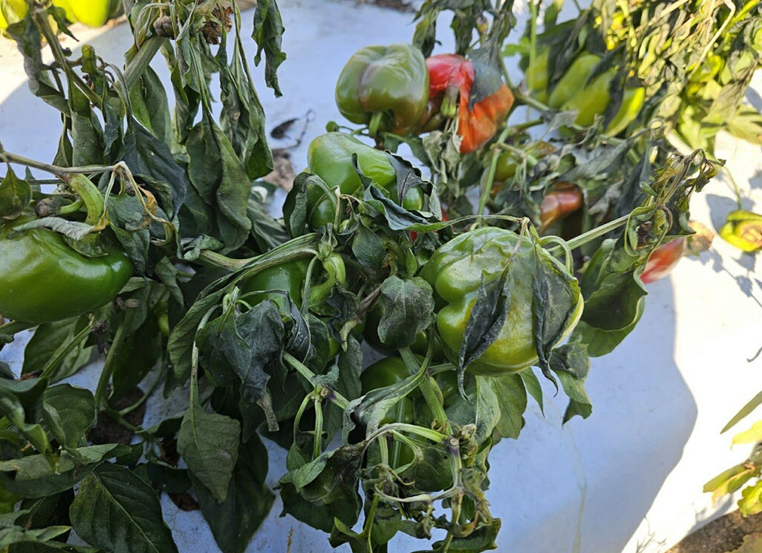
Winter storms Ezra and Gianna were no ordinary weather events. Agriculture Commissioner Wilton Simpson referred to these freeze events as one of the most damaging periods in the history of Florida agriculture. With temperatures plunging to freezing levels across most counties except Monroe County, home to the Florida Keys many crops were left unharvested and unable to cope with the sudden cold.
The storms primarily hit critical areas for the production of vegetables, melons, citrus, sugarcane, fruits, horticulture, and aquaculture. Many growers found their crops were not ready for harvest due to adverse weather conditions, labor shortages, and a lack of proper storage facilities. As a result, agricultural producers now face daunting economic challenges and a longer path to recovery.
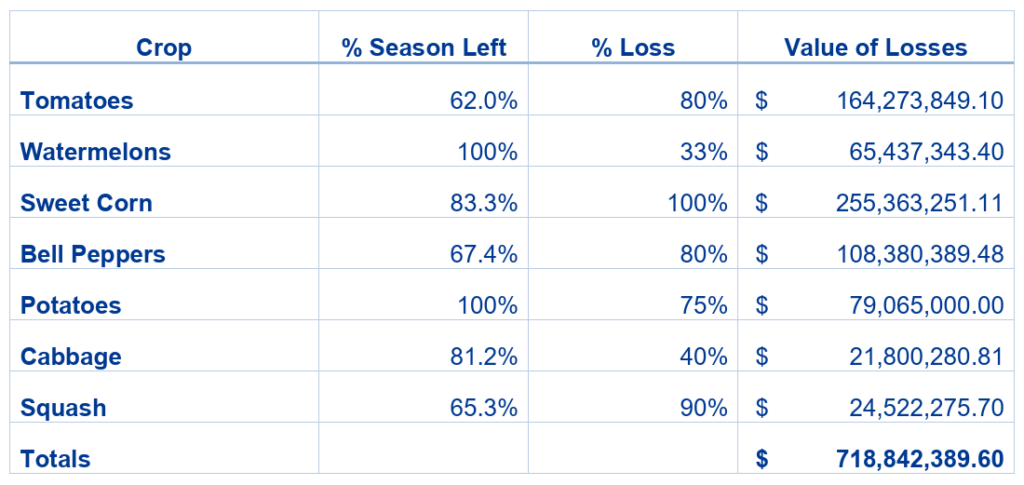
In comparison, the devastation from Hurricane Ian, which caused about $1.07 billion in agricultural damage in 2022, pales in comparison to the current crisis. The effects of the freeze will likely extend beyond this season, impacting future harvests and making recovery a multi-year endeavor.
Identifying Major Losses
The hardest-hit crops included:
- Sugarcane: Over $1.15 billion in losses, with a significant portion expected to affect future production.
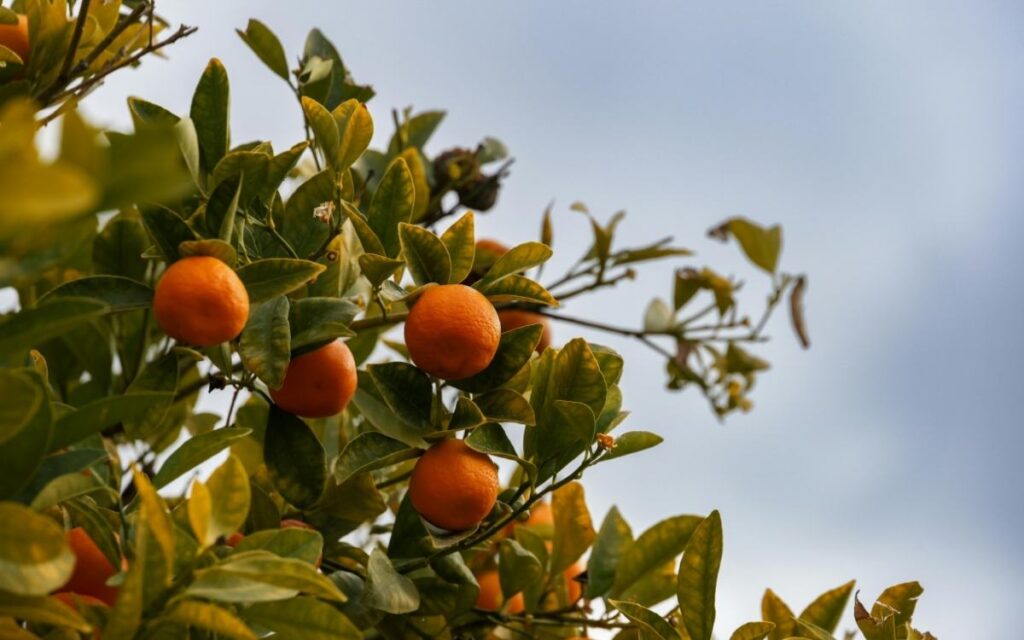
- Citrus: Nearly $674.7 million in damages, with projections indicating a 27% average annual productivity loss before returning to pre-storm levels.
- Greenhouses and Nurseries: Sustained around $240 million in losses.
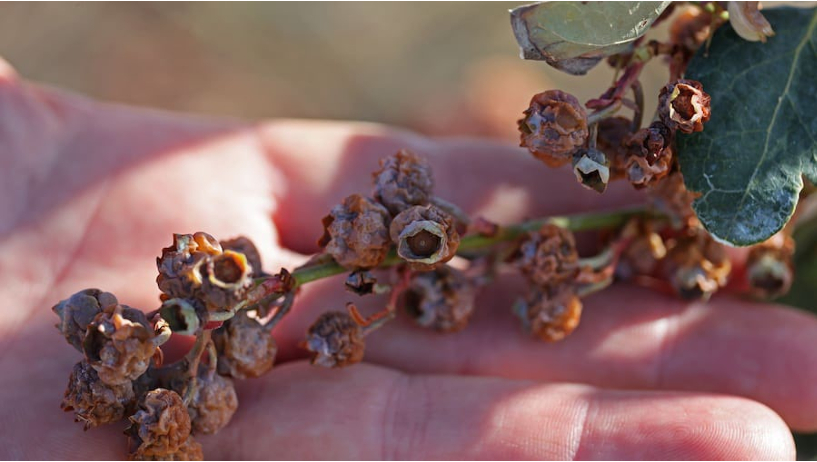
- Strawberries: Losses reached $306 million, while other crops like sweet corn, tomatoes, and blueberries also faced significant hits.
Data indicated that 80% of strawberry harvests and nearly 90% of blueberries were lost. Quite simply, farmers are feeling the heat, even as temperatures drop.
What This Means for Small Businesses
For small and minority-owned businesses involved in agriculture or related services, these losses are not just statistics; they have far-reaching effects on their livelihood. Whether you’re a veteran-owned, woman-owned, or minority-owned business, it’s essential to understand that navigating these turbulent waters can position you for support and growth.
The government often provides various forms of assistance in such scenarios—like grants or contracts that can alleviate the burden of recovery. Opportunities exist for businesses to engage with programs geared towards supporting Service-Disabled Veteran-Owned Small Businesses (SDVOSB), Women-Owned Small Businesses (WOSB), and HUBZone businesses. Understanding these programs can help you gain access to financial resources and contracts that can keep your business afloat.
Navigating Support Programs
If you’re a small business owner looking to leverage government assistance, consider taking steps to get involved with government contracting:
- Register for SAM and GSA: Although you may not have registered yet, setting up your registration can open doors to local, state and federal contracts and financial aid.
- Connect with Local Agricultural Agencies: Reach out to organizations and state departments that assist farmers and agriculture-related businesses.
- Explore Resources and Grants: Access funds that can stabilize your business while recovery occurs.
How Select GCR Can Help
At Select GCR, we specialize in helping small businesses understand and navigate government contracting. Here’s how we can assist you:
- Free Consultation: If you’re unsure where to start, we provide complimentary consultation services to guide you through your government’s programs here.
- Contracting Expertise: Our resources offer vital information on becoming a government contractor, especially for businesses owned by women, veterans, HUBZone folks and minorities.
- Access the Right Programs: We assist you in finding the right programs, whether it’s those targeting small businesses or programs specifically designed to support agricultural producers affected by disasters.
For more information about our services, check out our Select GCR assessment. Additionally, our Blog features insightful posts on navigating the challenges faced by government contractors, helping you build your understanding of these systems.
Conclusion
While the aftermath of the recent winter storms creates a challenging landscape for Florida’s agriculture, small and minority-owned businesses can take proactive steps to secure their future. Understanding government assistance and contracting can be the key to not just surviving but thriving through economic challenges.
The recent freezes serve as a stark reminder that Florida’s agricultural industry is vulnerable but resilient. By leveraging state and federal resources, your business can weather similar storms and emerge strong, ready for the next growing season.
Sources:
Florida Department of Agriculture and Consumer Services – Reports on monetary losses from winter storms.
National Agricultural Statistics Service – Historical data on agricultural impacts from weather events.
Local News Reports – Coverage of the recent storms and their impact on the agricultural industry.