

A New Era: How the Artemis II Moon Mission Impacts Small Businesses and Government Contracting
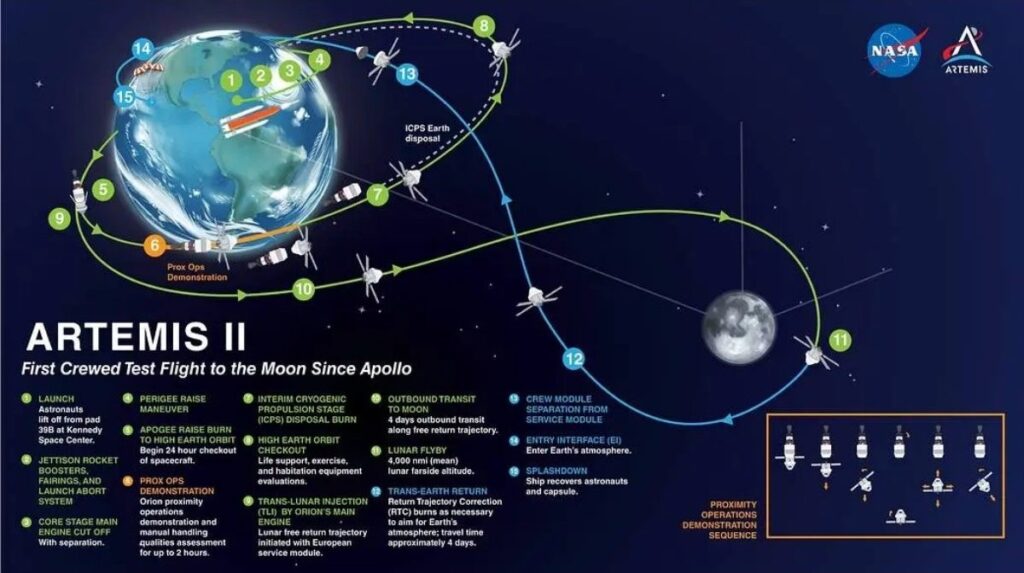
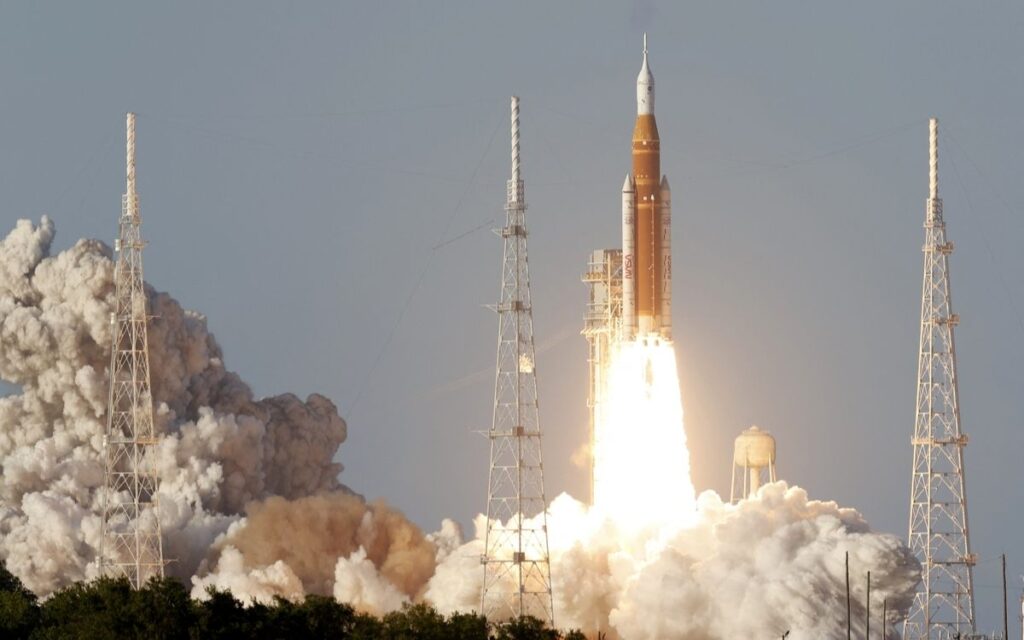
For the first time in over 50 years, humans are headed back to the moon with NASA’s Artemis II mission. Launched from Kennedy Space Center, this historic journey with astronauts aboard the Orion spacecraft as they embark on a 230,000 mile trip around the lunar body. For small and medium businesses (SMBs) interested in growing and connecting with government contracts, Artemis II presents an exciting backdrop and an opportunity to understand the broader implications of such landmark missions on various sectors. Who are the sub-contractors also heading to the moon?
Understanding Government Contracts and Opportunities in Space
As businesses gear up to engage with government contracts, there are key insights to be gained from examining high-profile missions like Artemis II. One significant takeaway is that these missions drive technological innovation and development, which creates an array of new contracting opportunities. For organizations currently contracted with the government or those looking to enter into this market, Select GCR provides vital resources to navigate the complexities of government contracts.
Building the Artemis II mission, the first crewed flight of NASA’s Orion spacecraft and Space Launch System (SLS) involved a massive network of over 3,800 suppliers across all 50 U.S. states and several European nations. If you count every rivet, bolt, sensor, and circuit component, the total part count for a rocket of this class is generally estimated in the 5 to 10 million range.
To put that in perspective:
- Car: ~30,000 parts.
- Boeing 747: ~6 million parts.
- SLS Rocket: Comparable to (or most likely exceeding) a jumbo jet in complexity, but built to withstand the vacuum of space and speeds of over 24,000 mph.
While major “Prime” contractors lead the assembly, they rely on a vast web of sub-contractors and specialized engineering firms.
1. Major Prime Contractors & Partners
These companies are the “architects” responsible for the primary flight hardware.
- Lockheed Martin: Prime contractor for the Orion Spacecraft (Crew Module and Launch Abort System).
- Boeing: Prime contractor for the SLS Core Stage, the 212-foot tall “backbone” of the rocket, and the avionics that control it.
- Northrop Grumman: Provides the Solid Rocket Boosters (the two white side-rockets) and the abort motors for Orion.
- Aerojet Rocketdyne (L3Harris): Supplies the four RS-25 main engines for the core stage and the RL10 engine for the upper stage.
- Airbus (ESA): Built the European Service Module (ESM), which provides Orion’s power, propulsion, and life support.
2. Key Sub-Contractors & Specialized Suppliers
Below are some of the critical companies providing the systems that make the mission possible:
| Component Category | Key Sub-Contractors | Specific Contribution |
| Avionics & Control | Honeywell | Flight control systems and navigation sensors. |
| Communications | L3Harris | The internal audio system and transponders for Earth communication. |
| Life Support | Collins Aerospace | Cabin pressure control and thermal management systems. |
| Structure & Materials | AMRO Fabricating | Large aluminum panels for the SLS core stage and Orion. |
| Propulsion Parts | Major Tool & Machine | Precision machining for rocket engine housings. |
| Computing | NVIDIA / Curtiss-Wright | Ruggedized flight computers and data processing hardware. |
| Ground Systems | Bechtel / Jacobs | Launch pad modifications and mobile launcher maintenance. |
3. Small Business & Regional Contributors
NASA utilizes thousands of smaller firms to provide niche components. For example:
- Vacco Industries: Specialized valves for the propulsion systems.
- Precision Fabricating & Cleaning: Critical cleaning and testing of fuel lines to ensure zero contamination.
- Thales Alenia Space (Italy): A major sub-contractor to Airbus, responsible for the primary structure and thermal shield of the Service Module.
Why so many?
Unlike recent “New Space” missions (like SpaceX’s Starship) which tend to be vertically integrated (built mostly in-house), Artemis II follows a traditional distributed manufacturing model. This ensures that the technical expertise is spread across the entire aerospace industry, reducing the risk of a single point of failure in the supply chain and maintaining high-level engineering jobs across the country.
Government Programs that Support NASA
The federal government has specific programs aimed at enhancing participation from small businesses, including Veteran-Owned Small Businesses (VOSB), Women-Owned Small Businesses (WOSB), and HUBZone located businesses. These programs might be particularly appealing to veteran-owned or minority-owned businesses looking to tap into government support. Understanding how these programs operate can help businesses align their services with the needs of federal missions like Artemis II, which emphasizes innovation and technological advancement.
To gain insights into these programs, you can check out our resources on how to:
The Connection Between Space Missions and Business Growth
Like the Artemis II mission, governmental initiatives can influence growth strategies for SMBs through technology development and improved processes. Companies involved in research, engineering, or supply chain management related to aerospace technologies might find unique avenues for collaboration through federal contracts.
Artemis II not only tests spacecraft but also explores advanced life-support systems and maneuverability, opening possibilities for businesses in various sectors that support these technologies.
For instance, businesses that specialize in:
- Aerospace Engineering
- Health Monitoring Systems
- Data Collection and Analysis
- Precision Machining
- Metallurgy and Alloys
- Cyber Security
- Batteries and energy
- Construction
- Logistics
All stand to benefit from engaging with government entities to provide innovative solutions that could be utilized in future missions plus many more industries not listed above.
How Select GCR Can Help
At Select GCR, we focus on simplifying the path to government contracting through our consultancy services. If navigating registrations for systems like SAM (System for Award Management) and GSA (General Services Administration) seems overwhelming, our team is here to assist you. Here are several key services we offer:
By leveraging our expertise, you can better understand how to position your business to take advantage of upcoming opportunities linked to government space missions.
Learning from Artemis II: Testing and Feedback
Much like the rigorous testing astronauts undergo with the Orion spacecraft, government contractors also need to adapt and pivot based on performance feedback. The Artemis II mission involves testing various life-support systems and manual control features, ensuring safety for astronauts while highlighting the importance of risk management.
For SMBs, this translates to the need for constant evaluation of their services. Whether it’s through obtaining feedback from federal agencies or optimizing operational efficiency, lessons from the Artemis mission underscore the value of continuous improvement in service delivery. See our feedback and highlights.
Supporting Science and Research Initiatives
Artemis II is not just about the technology, it’s also about utilizing the journey for scientific advancement. The crew will perform experiments to study the impact of deep space travel on the human body, a concept that could have far-reaching applications in health technologies.
For SMBs focusing on the medical field or related innovations, understanding how space missions facilitate research collaborations can lead to valuable partnerships in government contracting. Explore how to tap into scientific funding through government grants on our Research Grants resources.
The Future of Space Missions and Government Contracts
Visions articulated by NASA administrator Jared Isaacman emphasize an increased frequency of moon missions, ultimately leading to a permanent lunar base. For SMBs, this means that aligning business goals with the larger narrative of government space missions might be critical. Understanding trends in federal spending and priorities can enable companies to pivot and innovate effectively.
As the Artemis II crew returns from their lunar journey, they will gather valuable data that informs future missions. Similarly, businesses should be gathering market intelligence and acting on insights to enhance their competitive edge in government contracting.
Conclusion
The Artemis II mission symbolizes renewal and ambition in space exploration, and it has crucial implications for business and government contracting. As your SMB looks to navigate these waters, know that Select GCR is equipped to guide you through the process.
For more information on how we can assist your business in government contracting, visit us at Select GCR. Armed with the right insights and support, your business can achieve growth not just through government contracts but also by contributing to transformative projects that may change the world.