
Understanding the U.S. Approach to Critical Minerals and What It Means for Small Businesses
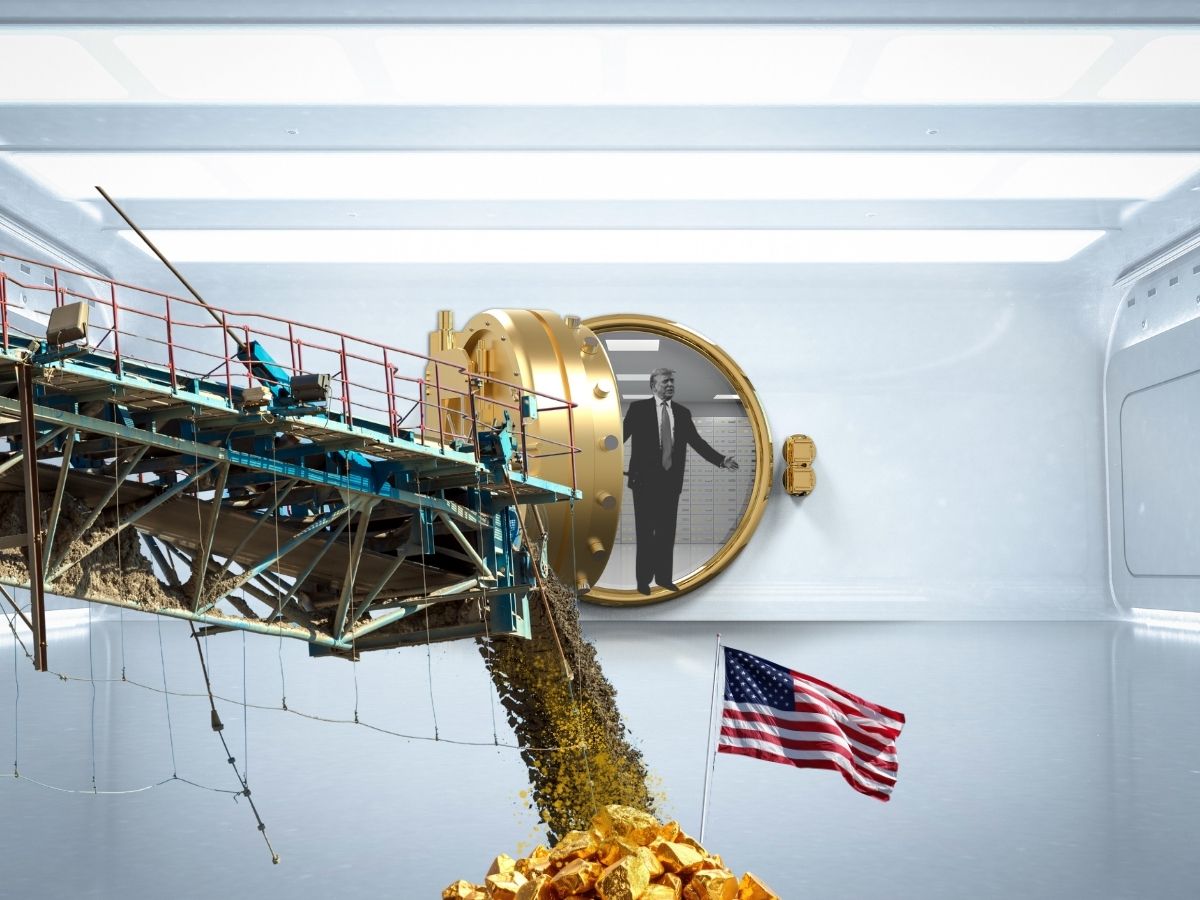
Project Vault is a new U.S. government initiative, launched by the Trump administration, to create a strategic national stockpile of critical minerals, like rare earths, lithium, and cobalt, essential for modern technology, defense, and renewable energy. This initiative aims to reduce reliance on foreign adversaries, particularly China. Together, using public-private partnerships and significant financing from the Export-Import Bank this administration is positioned to secure American supply chains for key industries.
Key Aspects of Project Vault:
– Objective: To build a reserve of over 50 critical minerals vital for electric vehicles, AI, defense, and electronics to prevent supply shocks and market disruptions for U.S. businesses.
– Structure: A public-private partnership, similar to the Strategic Petroleum Reserve, involving the U.S. Export-Import Bank (EXIM) providing loans and private capital.
– Funding: Backed by a $10 billion loan from EXIM and additional private investment, totaling around $12 billion.
– Participants: Major U.S. companies like General Motors, Alphabet (Google), Lockheed Martin, and Boeing are involved, ensuring them preferential access to minerals during shortages.
– Benefits: Aims to fortify U.S. supply chains, support domestic production and processing, create jobs, and reduce geopolitical risks associated with critical minerals.
– Mechanism: Companies can deposit minerals, with the agreement to repurchase them later, potentially stabilizing market prices.
In essence, Project Vault is a strategic industrial policy designed to make America less vulnerable to foreign control over essential raw materials by creating a robust domestic stockpile and incentivizing domestic sourcing and processing.
The Challenge of Competing with China
For over a decade, China has dominated the market for critical minerals, employing a robust strategy that has made it the linchpin of global supply for these resources. As U.S. policies begin to take shape to counter this dominance, it’s important for SMBs, especially those involved in government contracts, to understand how innovation and recycling strategies can create a more resilient supply chain.
China’s aggressive tactics, including export controls on rare earth elements (REEs), have raised alarms about U.S. dependence on these minerals. This reality compels the U.S. to rethink its approach to sourcing and processing critical minerals. The initiative isn’t just a matter of increasing traditional mining operations, which can take years; it’s about leveraging innovation to leapfrog existing limitations.
Innovative Solutions and Breakthrough Technologies
1. Waste Recovery as a Resource
One promising avenue that the U.S. can explore is waste recovery. Technologies that extract minerals from mine tailings and industrial waste can minimize dependency on traditional mining and offer a more sustainable method for sourcing materials. For example, companies are employing cutting-edge technologies to recover critical minerals from waste streams like e-waste and fracking by-products. This not only offers a new supply source but helps in reducing environmental liabilities.
2. Recycling Initiatives
Recycling electronic waste is a game-changer in this field. E-waste contains significant amounts of precious minerals and rare earth elements critical for high-tech applications. As a service provider working with the government, your business can play a part in promoting and participating in e-waste recycling efforts, aligning with sustainability goals while tapping into a growing market. Also, we shouldn’t sleep on whispers of repurposing military nuclear reactors as refurbished small modular reactors for data centers and emergency response.
3. Support from Government Programs
The U.S. government has initiated various programs to support innovation and recycling in mineral recovery. Initiatives by the Department of Energy, for instance, fund research on advanced materials and recycling technologies. This opens pathways for SMBs to engage with government projects related to critical minerals under various programs aimed at supporting historically underutilized businesses, such as those certified as VOSBs (Veteran-Owned Small Businesses) and HUBZone companies.

Practical Steps for SMBs
Engaging with Government Opportunities:
SMBs can benefit greatly from aligning their objectives with federal goals surrounding mineral recovery and recycling. Here’s how:
– Stay Informed: As the landscape changes, companies need to keep updated with federal initiatives.
– Participate in Workshops and Webinars: Engaging in educational offerings can enhance understanding and offer networking opportunities with larger companies and governmental bodies.
– Consider Partnerships: Partnering with technology firms working on innovative solutions can provide SMBs access to groundbreaking technologies and R&D funding. Collaborative projects can enhance competitiveness for government contracts.
Why Government is Shifting Focus
The U.S. strategy pivots towards utilizing innovation as a means to enhance mineral security. Instead of traditional mining, focus is placed on:
– Disruptive Innovations: New processing and recovery methods can reduce environmental impact and enhance output.
– Collaborative Approaches: By working with allies to share research, resources, and technologies, the U.S. can establish a more competitive stance against China’s market tactics.
– Encouraging Growth: The inclusion of small businesses in these initiatives helps stimulate economic growth and job creation within local communities, especially for those owned by veterans or minority groups.
Government Benefits for Small Businesses
Engaging with critical minerals supply chains means tapping into various government benefits. Contracts with government agencies are designed to benefit small businesses, especially those in underserved communities or owned by veterans, women, or minorities. Business owners should consider the following options:
– Grants and Loans: Explore federal funding opportunities aimed at developing new technologies in critical mineral recovery and processing. Grants like those available through ARPA-E offer substantial financial support for innovative projects.
– Tax Incentives: Some programs provide tax credits for businesses that invest in innovative technologies or that focus on sustainability, which can directly improve profitability.
– SBIR and STTR Programs: The Small Business Innovation Research (SBIR) and Small Business Technology Transfer (STTR) programs encourage small businesses to engage in federal research and development, providing funding and support.
Moving Forward
As the U.S. government amplifies its focus on critical minerals through innovation, recovery, and recycling, SMBs that proactively engage in these shifts stand to gain significantly. By harnessing resources, participating in governmental programs, and adopting innovative technologies, small businesses can not only thrive in a competitive market but also contribute to national interests in securing a resilient supply chain.
Resources to Explore
– Whitehouse – Project Vault
– U.S. Small Business Administration
In summary, while China’s dominance poses challenges, the U.S. government’s shift towards innovative solutions presents unique opportunities for small businesses ready to engage in this vital sector.